

🌙Lead-In
During my visit to Ise, I came across a small wooden masu that immediately caught my attention.
What first drew me to it was the charming rabbit design carved into the side. Two rabbits appear to be making mochi together, creating a playful scene that felt both traditional and cheerful.
At the time, I also felt a connection to Tsukiyomi, the moon deity enshrined at Tsukiyomi-no-Miya in Ise.
Perhaps it was the image of the rabbits, so often associated with the moon in Japanese folklore, but the moment I saw it, I found myself thinking, “This feels like something from Tsukiyomi.”
That feeling was one of the reasons I decided to bring it home.
🌲 A Traditional Japanese Masu
A masu is a traditional wooden measuring box that was once used in Japan to measure rice and other grains.
Before modern measuring systems became common, masu played an important role in everyday life and commerce.
Over time, masu also became associated with sake and are still used today during celebrations, festivals, and special occasions.
Many modern masu are made from fragrant Japanese cypress (hinoki) and are appreciated not only for their practical use but also for their craftsmanship and cultural significance.
The small masu I found in Ise features two rabbits making mochi together — a playful design that reflects a familiar moon motif in Japanese folklore.
Another detail that caught my attention was the design inside the masu.
To me, it looked like a full moon drifting among the clouds.
Together with the rabbits on the outside, it quietly reminded me of Tsukiyomi-no-Miya and the moon symbolism that had already been on my mind during the trip.
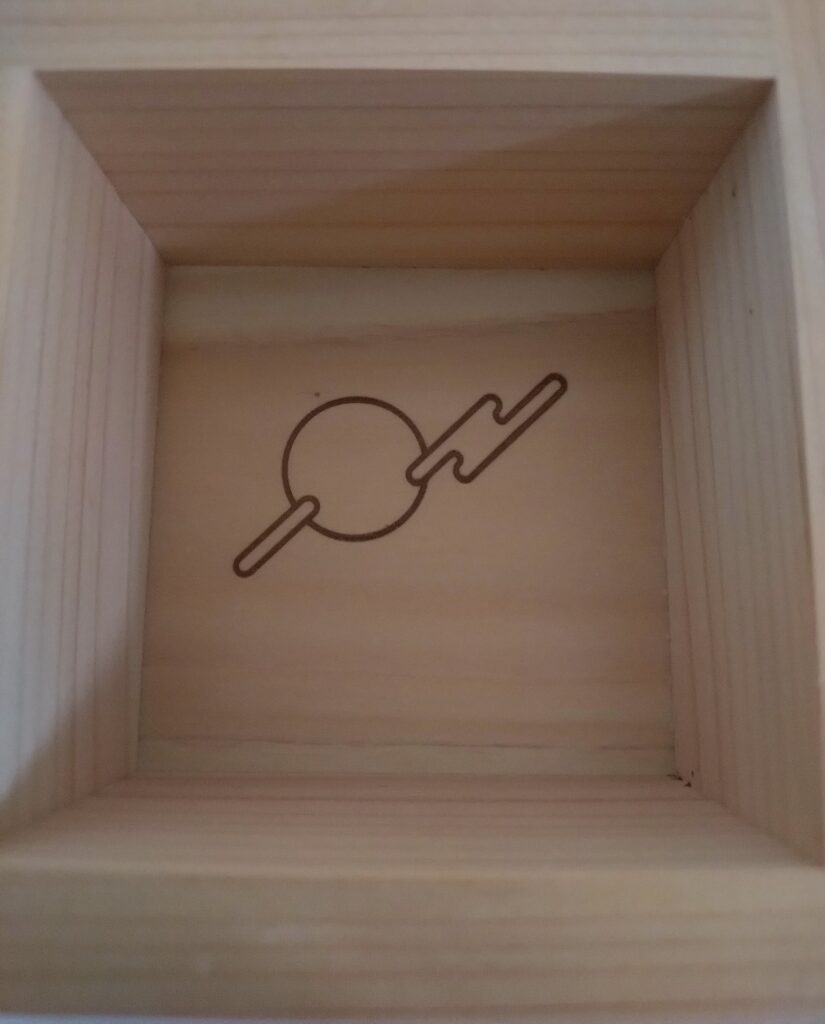
Although masu were originally used to measure rice and other grains, they continue to appear in everyday Japanese life in various ways.
They are often used for serving sake, especially during celebrations and traditional events.
Masu can also be seen during Setsubun, when roasted soybeans are placed inside and scattered as part of the seasonal custom of driving away misfortune and welcoming good fortune.
In restaurants, masu are sometimes used as serving vessels for food or drinks, adding a traditional touch to the dining experience.
Even today, this simple wooden box remains a familiar part of Japanese culture.
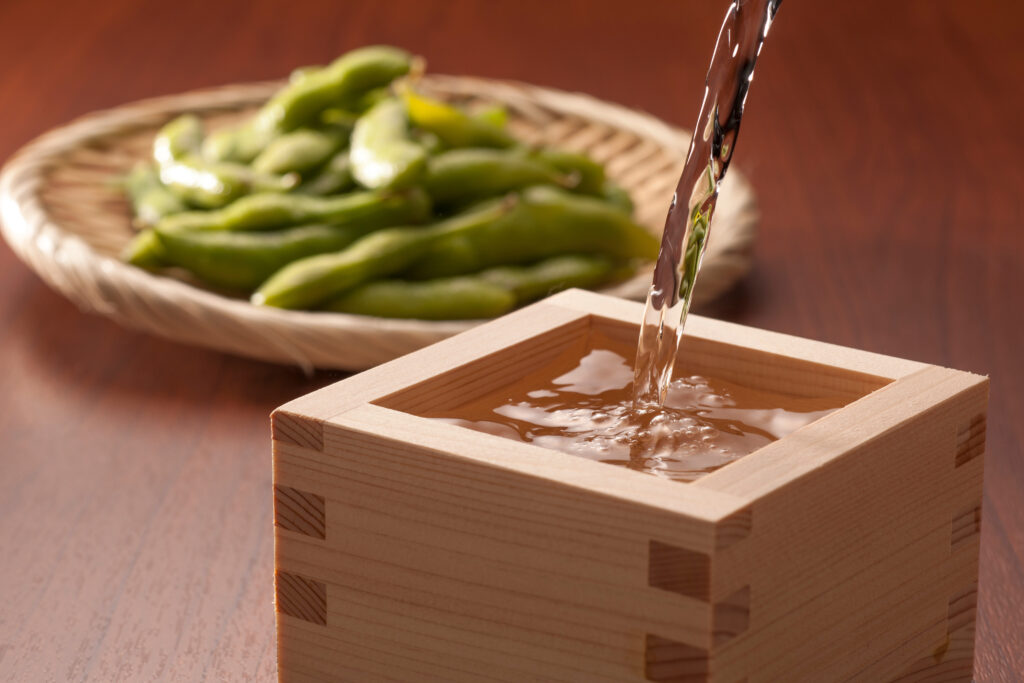
Masu are often used to serve sake during celebrations and traditional gatherings or at restaurants.
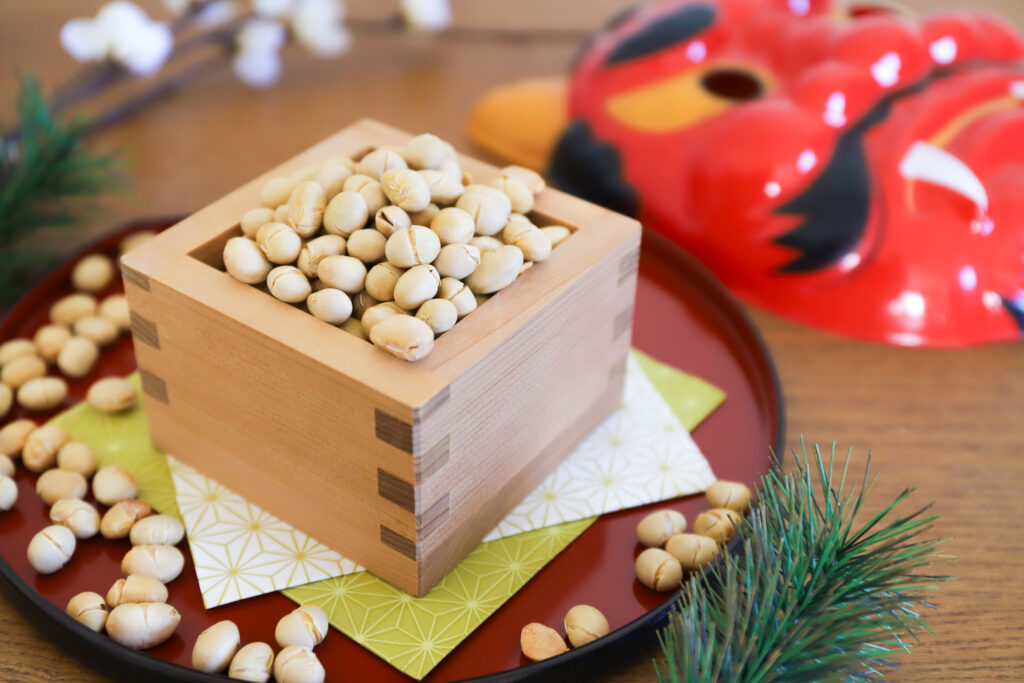
Masu are also used during Setsubun, when roasted soybeans are placed inside for the seasonal bean-throwing ritual.
🏡 A Small Piece of Ise at Home
Before this trip, I had been using a simple plastic measuring cup in my kitchen.
After returning home from Ise, however, I found myself reaching for the wooden masu instead.
Now, each time I prepare rice, I see the rabbits on the side and am reminded of the journey, the quiet atmosphere of Tsukiyomi-no-Miya, and the small discoveries I made along the way.
Using a traditional wooden masu somehow makes the preparation feel more enjoyable.
Rather than remaining a souvenir on a shelf, it has become part of my everyday routine.
In that sense, a small piece of Ise continues to accompany me each day.
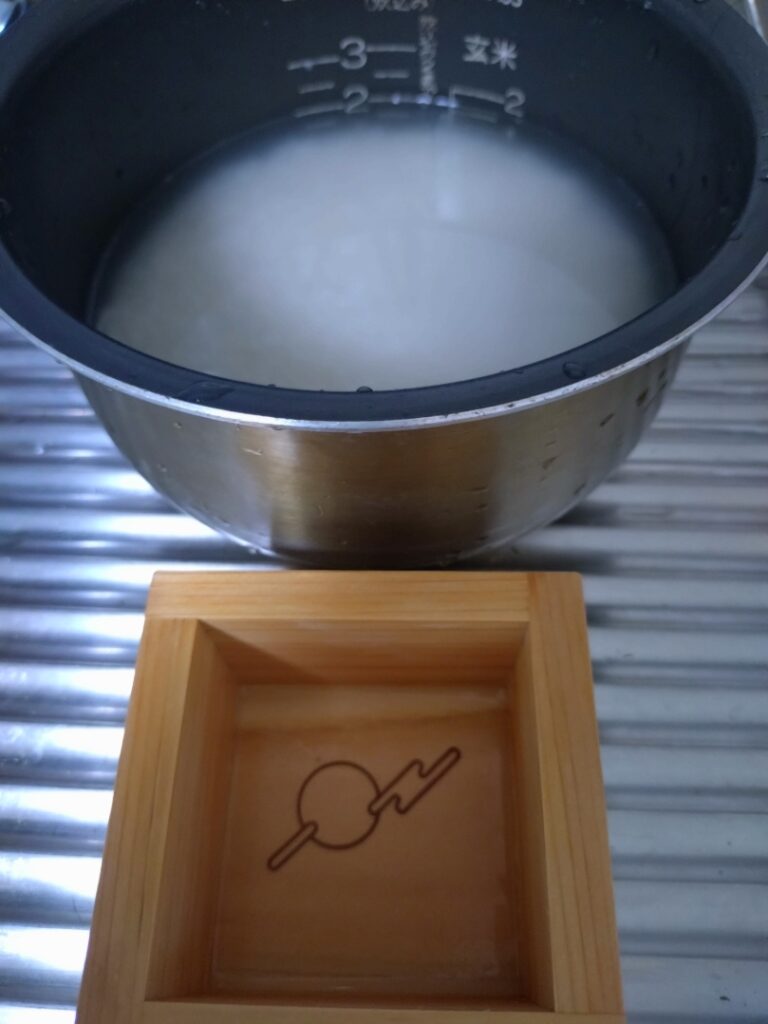
A small reminder of Ise while preparing rice at home.
🕊️ Kaha’s Note
Looking back, I think this small masu appealed to me for more than one reason.
At first, it was simply the rabbit design that caught my eye.
Later, I noticed the moon-like pattern inside and found myself connecting it with Tsukiyomi-no-Miya, one of the places that had left a quiet impression on me during my visit to Ise.
What I enjoy most, however, is that it did not remain a souvenir on a shelf.
Instead, it became part of my daily routine, allowing small memories of the journey to return each time I prepare rice.
Sometimes, the smallest finds become the ones we treasure most.
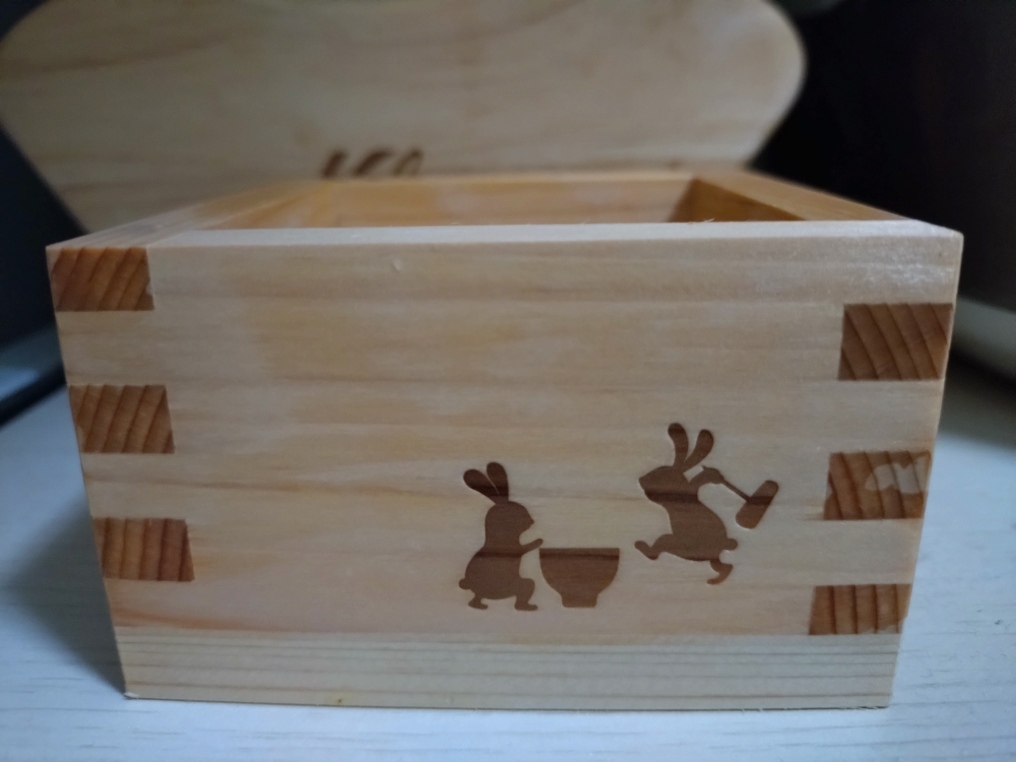
The rabbit masu now sits on a shelf where I can see and use it every day.
🌈 Explore More
If you enjoy quiet travel stories, sacred places, seasonal discoveries, and small moments from Japan, you may also enjoy exploring other posts from Rainbow Awakening.


コメント