

A spiritual and cultural guide to lunar cleansing through salt
✨ Lead-in : Why Salt, Why Now?
As the new moon approaches, many of us feel a quiet pull—a desire to cleanse, reset, and begin anew. In our last post, Rituals & Reverences #1: Lunar Magic, we explored how the moon’s phases and crystals can become part of a sacred rhythm.
This time, we turn to something both simple and sacred: salt.
Used in households worldwide, salt has also carried spiritual weight across centuries. In Japan, its path to divinity began in Futami-ura(二見浦), where Samitsuhime-no-Mikoto (佐見都日女命) offered salt to Yamatohime-no-Mikoto(倭姫の命), who in turn presented it to Amaterasu(天照大神), establishing salt as a divine offering. Today, Mishiodono Shrine(御塩殿神社), part of the Ise Jingu complex, continues this tradition—producing ritual salt from seawater drawn from nearby Mishiohama Beach(御塩浜).
For the new moon—a time of stillness, release, and quiet intention—salt offers an accessible way to purify, honor, and connect.
🌍 Salt Across the World: Sacred & Essential
Salt is one of the oldest and most universal tools of survival—and sanctity. Across continents and centuries, salt has preserved food, sealed covenants, and purified space. But beyond its material usefulness, salt has always held spiritual significance.
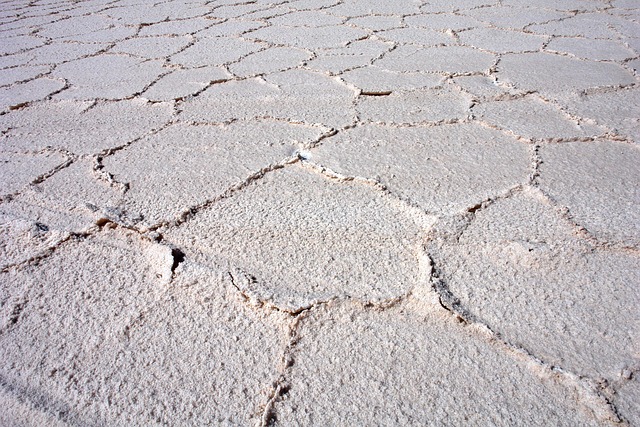
Where the earth reflects the sky.
Vast salt flats like Bolivia’s Salar de Uyuni remind us of the elemental purity that salt holds—raw, sacred, and ancient.
In Ancient Greece, salt was considered a divine gift. Sharing it at the table wasn’t just hospitality—it was an act of sacred trust. In Rome, salt was so valuable that soldiers were partially paid in salt allowances—hence the word “salary,” from salarium.
Trade routes known as salt roads formed arteries of connection across Asia, Africa, and Europe. Entire cities flourished around the control and exchange of salt.
Religions worldwide also turned to salt. In Judaism, it accompanies the Sabbath bread; in Christianity, it is used in baptism and blessings. In Hindu pujas, it is sprinkled in space-clearing rites.
Salt wards off what is harmful and holds what is holy. Even today, a pinch of salt at the threshold says: this space is protected.
🏯 Japan’s Sacred Salt: Myth, Place, and Ritual
In Japan, the story of sacred salt begins by the sea.
On the shores of Futami-ura, in present-day Mie Prefecture, myth and tide meet. Here, Samitsuhime-no-Mikoto offered salt to Yamatohime-no-Mikoto, the imperial priestess tasked with finding a site to enshrine the Sun Goddess Amaterasu. So impressed by the salt’s exquisite flavor, Yamato-hime deemed it worthy of sacred offering.
This lineage of sacred salt lives on today at Mishiodono Shrine, part of the Ise Jingu complex. Salt is produced using traditional methods: seawater is drawn from Mishiohama Beach, simmered in iron cauldrons, and tended with ritual care. This salt is used in purification ceremonies and divine offerings.
A daily substance becomes divine—anchored in myth, and carried into modern ritual.
The sacred salt of Ise reminds us that what is pure need not be rare. It only needs to be honored.
⛩️ Salt in Shinto & Everyday Rituals
In Japan, salt isn’t just historical—it’s alive in spiritual practice.
- In Shinto ceremonies, salt purifies spaces, people, and tools. Shioharai (塩祓い) involves scattering salt to remove spiritual impurities.
- Morijio (盛り塩)—small salt cones at entrances—invite good fortune and repel negative energy.
- In sumo, wrestlers throw salt to sanctify the ring before matches.
- After funerals, attendees receive purifying salt (kiyome-jio) to sprinkle on themselves and step on before entering home—cleansing both body and spirit.
- Some families, like mine, scatter salt at the entrance, stepping on it as they re-enter after wakes and funerals, protecting the home’s energy.
These rituals still continue today—quiet, grounded, and sacred.
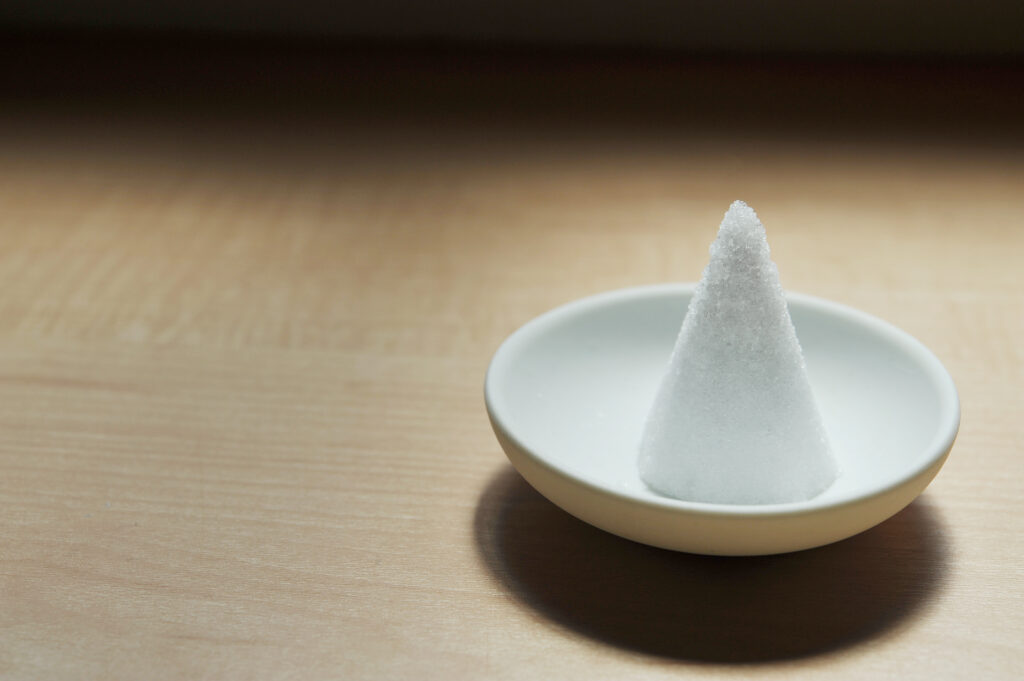
Conical salt mounds —serve to purify and protect in Japanese tradition.
🧿 Salt as Spiritual Symbolism
Why has salt remained sacred across cultures and centuries?
Because salt represents purity, protection, and boundaries. It holds what is clean. It repels what is not. It is both humble and holy.
Salt comes from the sea—the original womb of life. It preserves, dries, draws out, and transforms. It clears away the old and prepares space for the new. In this way, salt becomes a spiritual ally.
At shrines, salt is offered to the kami. At ancestral graves, it is placed with reverence. In homes, it sits quietly near incense, or is scattered silently before bed. It is not the extravagance of the ritual that matters—but the sincerity.
In the most ordinary moments, salt marks the sacred.
🌑 Simple New Moon Salt Rituals
The new moon invites stillness and soft beginnings. Salt, humble and powerful, is the perfect partner. Here are some simple ways to honor this time:
✦ Salt Bath
Dissolve about 1 tablespoon of sea salt into a warm bath. As you soak, imagine what you want to release leaving your body. Step out not just clean—but energetically reset.

Creating a small ritual space with salt, scent, and intention can transform any evening.
I usually use just natural salt for energetic cleansing, letting the minerals work their quiet magic.
But adding a bath salt blend with essential oils can offer a deeply relaxing sensory layer—a ritual of scent and softness, as much as spiritual reset.
✦ Doorway Cleansing
Sprinkle a thin line of salt across your front door or threshold. As you do, visualize drawing a boundary between your space and the world. Sweep it away the next morning to symbolize a fresh start.
✦ Palm Purification
Hold a pinch of salt in your hand. Close your eyes. Whisper a quiet intention. Then scatter the salt outdoors or dissolve it in water. Trust the release.
✦ Salt Offering
Place a small bowl of salt near a candle, crystal, or plant. Offer it to the moon, the divine, or simply to the moment.
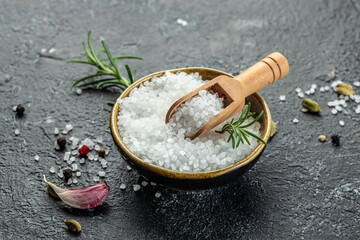
Salt holds sacred power anywhere at home.
✦ Salt to Carry
Wrap a pinch of salt in cloth or paper and keep it in your pocket or bag. It becomes a subtle protector—like morijio on the go.
These rituals don’t need to be perfect. They just need to be present.
🕊Kaha’s Note: Return to Sacred Simplicity
In a world that rushes and demands, the quiet ritual of working with salt during the new moon offers something rare: a return to sacred simplicity.
Salt doesn’t require devotion—it simply asks to be used with intention. It has no scent, no sparkle, no sound. And yet, across time and culture, it has become a vessel for prayer, protection, and purification.
From ancient salt routes to Shinto shrines, from morijio by your door to a handful in your bath, salt connects the physical and the spiritual. It doesn’t fix—it clears. It doesn’t shine—it holds.
This new moon, let it hold space for you.
If you’d like to explore deeper lunar practices—like working with crystal energy, moon phases, or intention-setting calendars—visit our previous post:
🔗 Rituals & Reverences #1: Lunar Magic
For now, trust the ritual you create. Let it be yours.
And let salt walk with you—quiet, grounding, sacred.
🍶Coming up Next
This post is part of a series leading up to the new moon—a time to clear, reset, and quietly realign.
Tomorrow, we’ll explore the role of sacred sake in purification and ritual.
Then, we’ll look to the sky with Moon Moves & Star Signs: Reading the Sky on a New Moon—a guide to aligning your practice with the celestial flow.
For now, begin with salt.
Let it clear the way.
🔗Explore more
Return HOME [8rainbow.work]
✨ This blog shares small, sacred rhythms from Japan and beyond—blending myth, ritual, and everyday magic.
Please come and visit again, anytime. 🌿


コメント