
🌿Lead-in
If you visit a Japanese supermarket, you may notice an impressive selection of soy sauces. Depending on where you come from, the variety might even surprise you. Shelves are lined with countless bottles from well-known brands, regional breweries, and soy sauces created for different styles of cooking.
With so many choices, it’s easy to wonder which one to take home. Yet that variety is part of what makes Japanese food culture so fascinating. Some soy sauces are perfect for sashimi, others are preferred for simmered dishes or clear soups, while many families simply use one bottle for everyday cooking.
I’m not sure what the selection is like in Asian supermarkets today. When I lived overseas, however, I remember having far fewer choices than I see in Japan now. If you ever visit Japan, I hope you’ll take the time to discover a soy sauce that suits your own taste. It may become one of the most memorable souvenirs you bring home—and perhaps even change the way you enjoy cooking.
🍶 A World of Soy Sauce
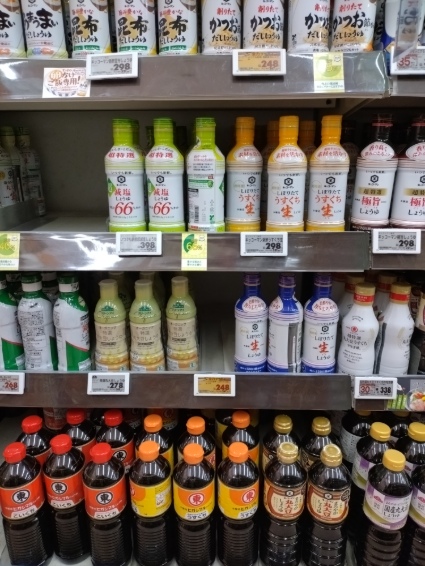
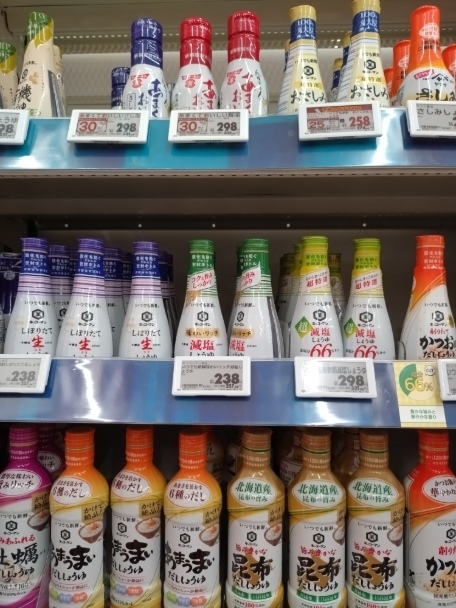
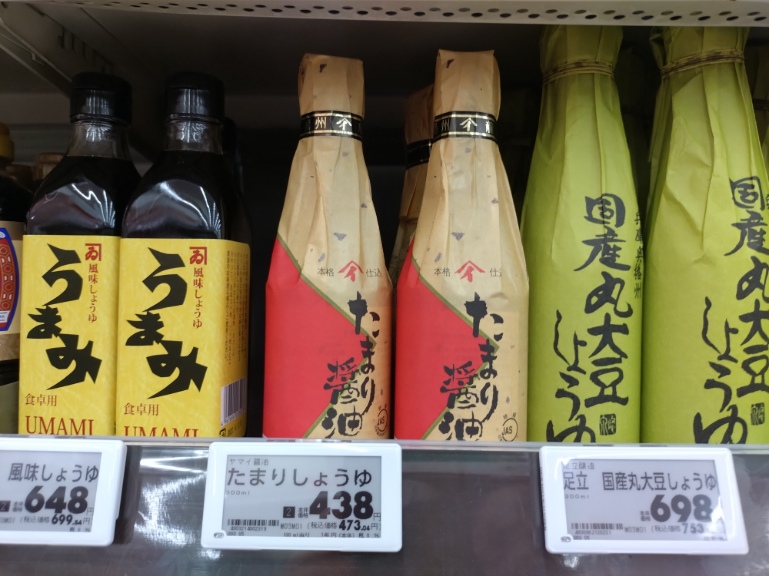
A typical soy sauce section in a Japanese supermarket. These are just a few of the many varieties available, from everyday soy sauce to regional specialties and flavored blends, giving home cooks plenty of choices to suit different dishes and personal tastes.
At first glance, the shelves can feel overwhelming, but you don’t need to know every variety. Once you become familiar with a few of the most common types, choosing soy sauce becomes much easier. Here are the five you’ll come across most often in Japan.
🏺Common Types of Soy Sauce
The five varieties below are among the most commonly found in Japan. Understanding the differences between them will help you decide which one best suits your cooking.
- Koikuchi (Dark Soy Sauce) – The most widely used soy sauce in Japan, used in a wide range of Japanese dishes.
- Usukuchi (Light Soy Sauce) – Lighter in color, often used for clear soups and dishes where cooks want to preserve the natural color of the ingredients.
- Tamari Soy Sauce – Rich and full-bodied, making it a popular choice for sashimi and dipping sauces.
- Dashi Soy Sauce – Blended with Japanese soup stock, a convenient choice for quick and flavorful home meals.
- Ponzu (Citrus Soy Sauce) – Soy sauce blended with citrus juice, offering a refreshing flavor that pairs beautifully with hot pot dishes, grilled meats, seafood, and salads.
Beyond these five, you’ll also find many other varieties, including oyster-flavored soy sauce, reduced-salt soy sauce, and regional specialties from across Japan.
Personally, I enjoy adding yuzu ponzu or oyster-flavored soy sauce to hot pot dishes. I also like the slightly sweeter soy sauces from Kyushu, and during a trip to Toyama, I discovered another delicious local soy sauce that I happily brought home.
If you enjoy a meal at a restaurant—or even at a friend’s home in Japan—and especially if you like the flavor, don’t hesitate to ask which soy sauce they use. The best way to discover what suits your taste is simply to experiment and enjoy the journey.
🍽️ Choosing the Right Soy Sauce
Once you become familiar with the different types of soy sauce, you’ll notice that each one brings out different flavors in different dishes. While every family has its own preferences, here are a few common pairings.
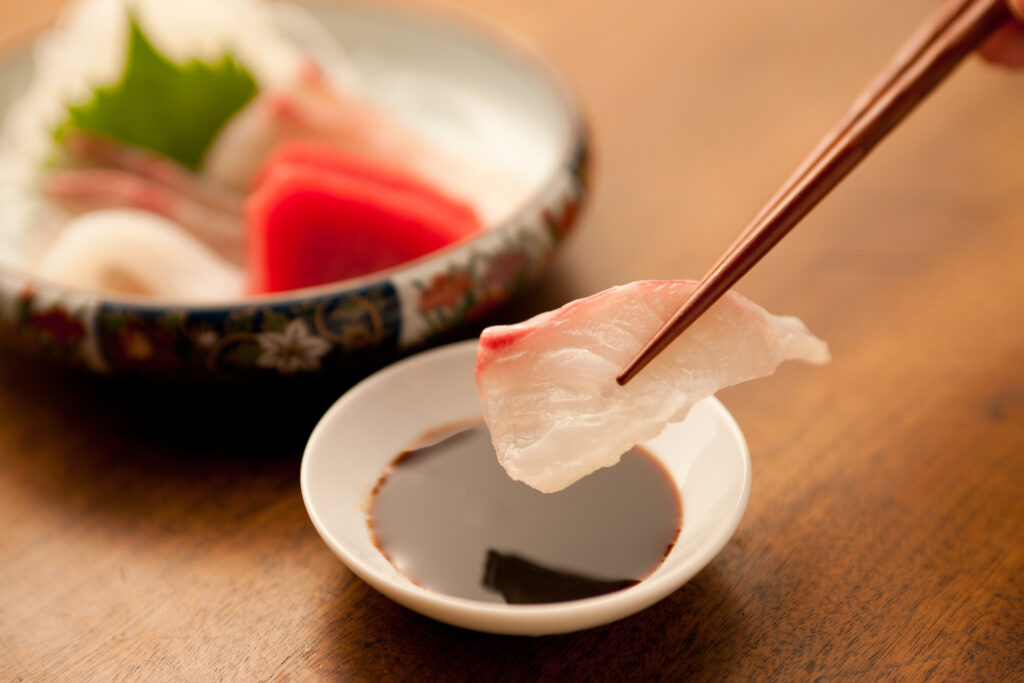
🍣 Sashimi – Tamari soy sauce is often preferred for its rich flavor, while many people also enjoy regular dark soy sauce.
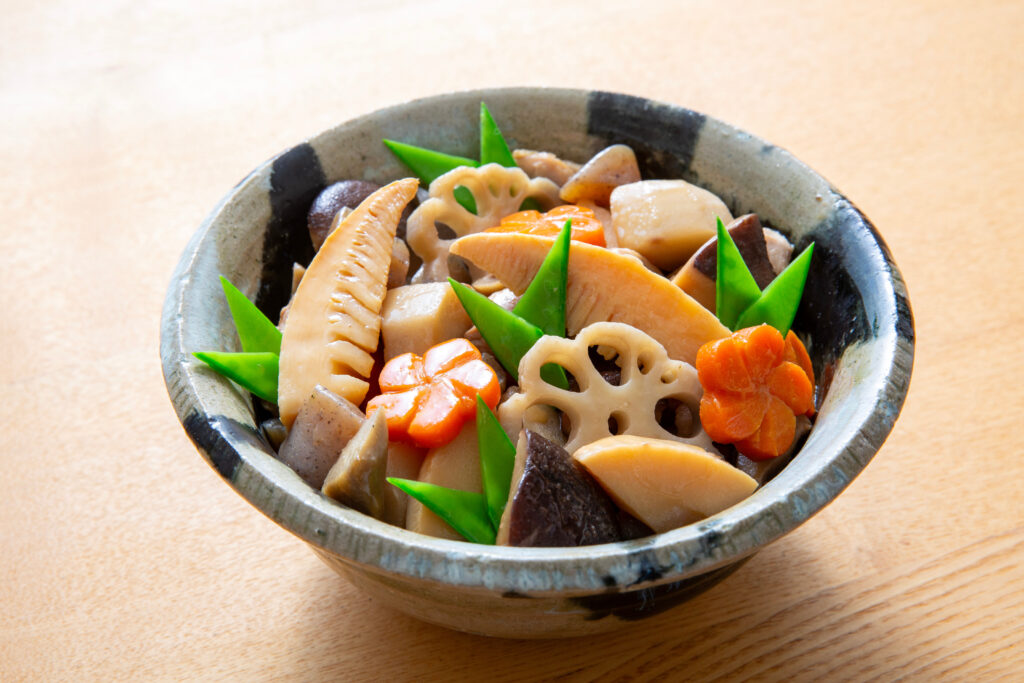
🥘 Simmered Dishes (Nimono) – Koikuchi soy sauce is commonly used, giving vegetables, meat, and fish a deep, comforting flavor.
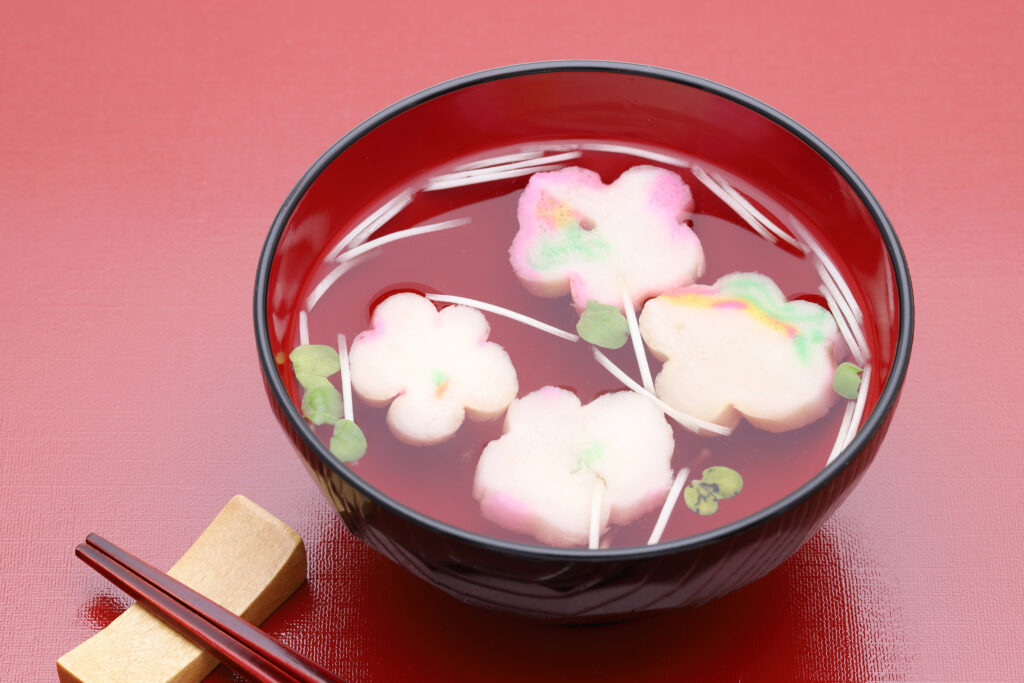
🍵 Clear Soups (Osuimono) – Usukuchi soy sauce is often chosen because it adds seasoning without darkening the broth.
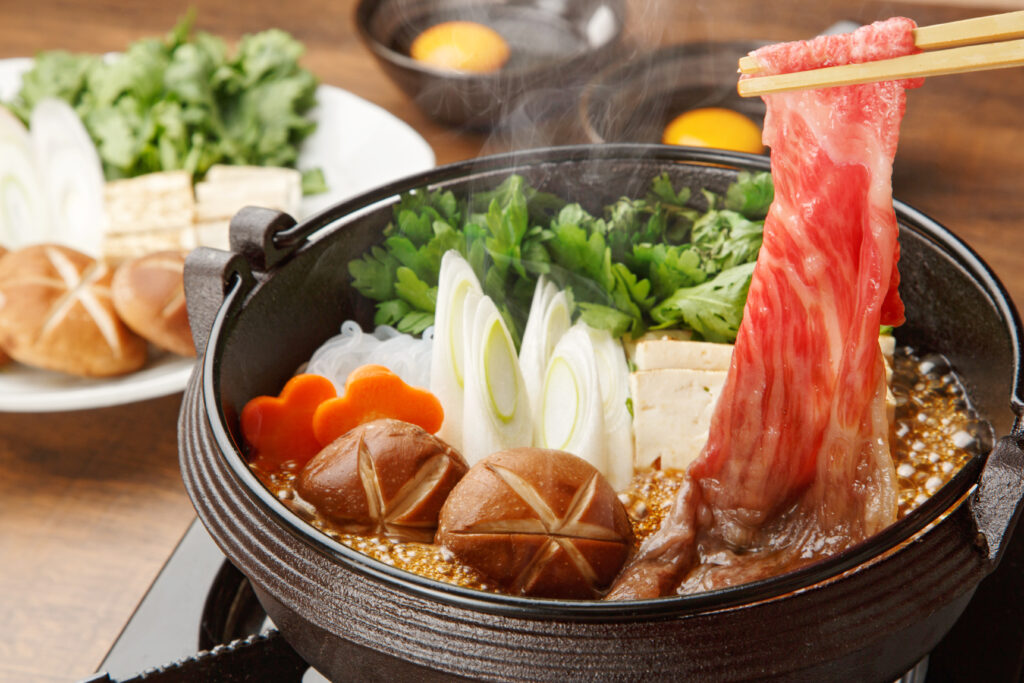
🥩 Sukiyaki – Dark soy sauce is one of the key ingredients in the sweet and savory broth.
These pairings are simply a starting point. Every family has its own way of cooking, and many Japanese households happily use just one or two favorite soy sauces for most of their meals. The real fun is discovering the flavors you enjoy most—whether at home, in a local restaurant, or during your travels in Japan.
🪵A Taste of Japanese Craftsmanship
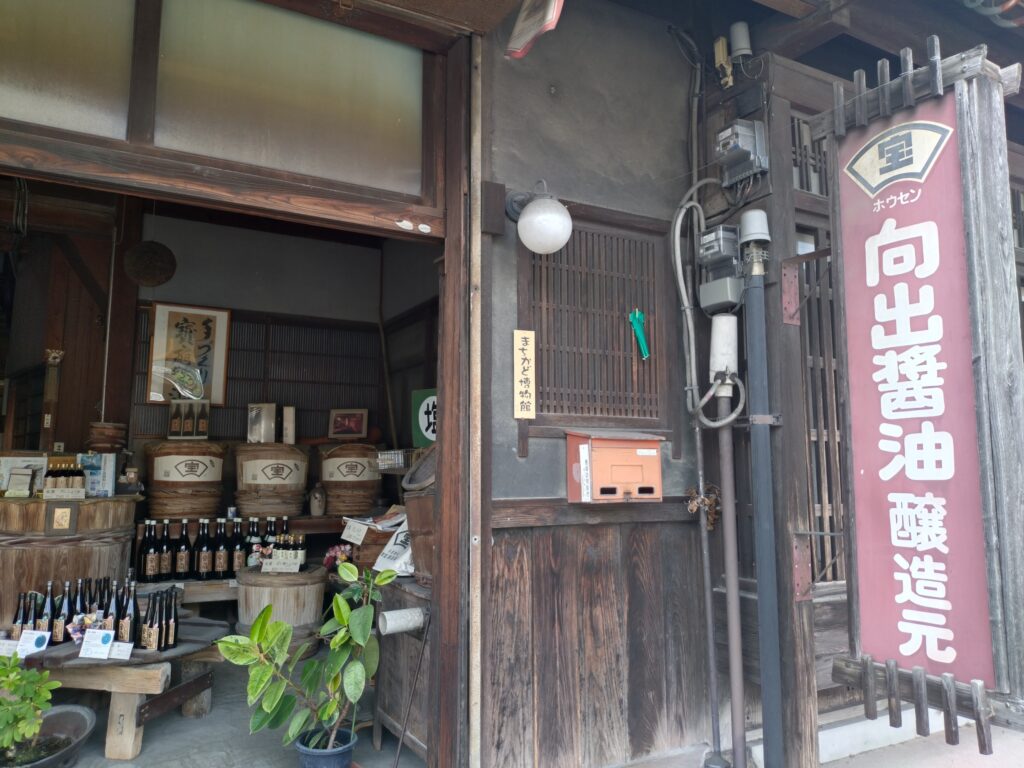
The entrance to Mukaide Shoyu Jozomoto, a traditional soy sauce brewery in Nara.
Recently, someone who is a wonderful cook recommended a traditional soy sauce brewery to me.
I had been looking for a good soy sauce to use in my own cooking. I loved the soy sauce I had bought from Kyushu, but I had finally used it up and was ready to discover something new.
I learned that this brewery still makes soy sauce using traditional wooden barrels, a brewing method that has been passed down in Japan for centuries. I had also heard that their soy sauce was exceptionally good, so I decided to pay them a visit.
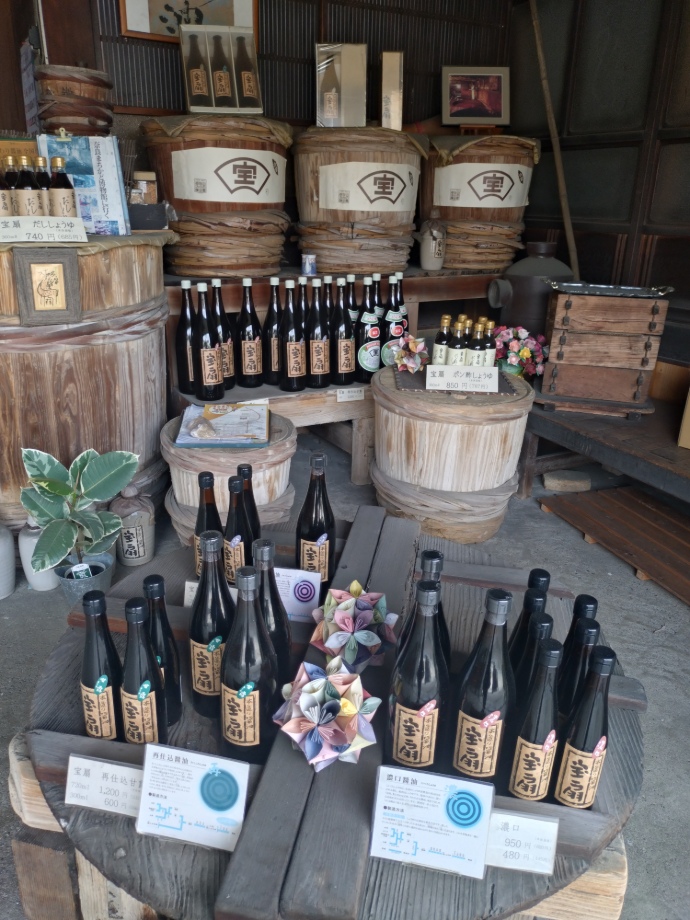
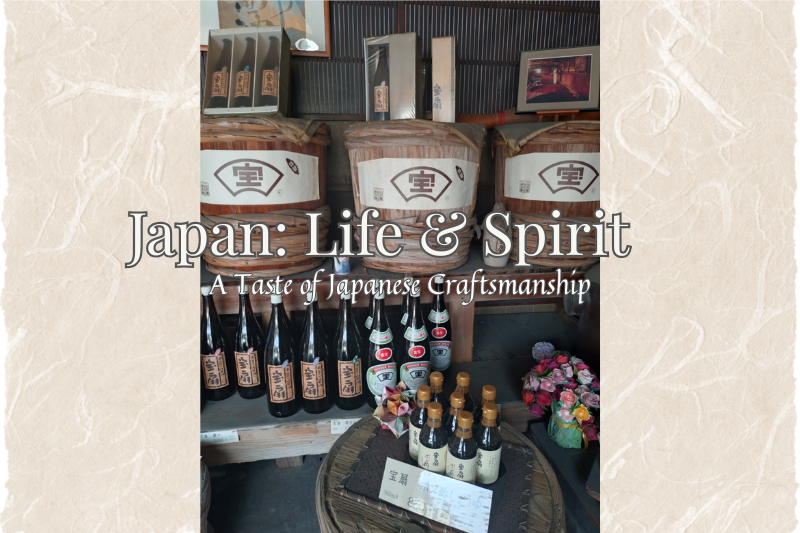
Traditional wooden barrels and shelves displaying a variety of soy sauces.
Stepping inside, I found traditional wooden barrels, shelves displaying a variety of soy sauces, and the quiet atmosphere of a place where craftsmanship is still valued.
I have always liked craftspeople like this. Their shops may look simple, but behind them are years of experience, dedication, and pride in their work.
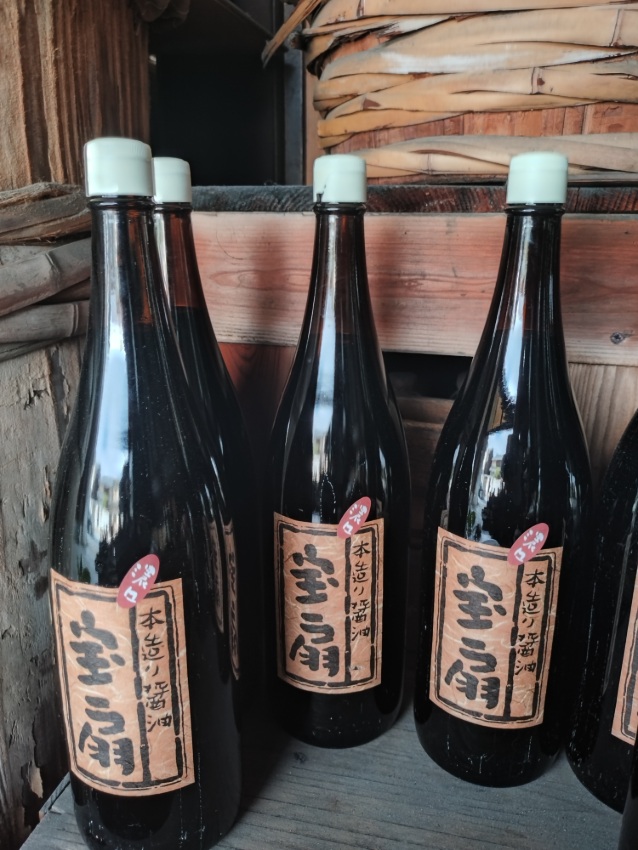
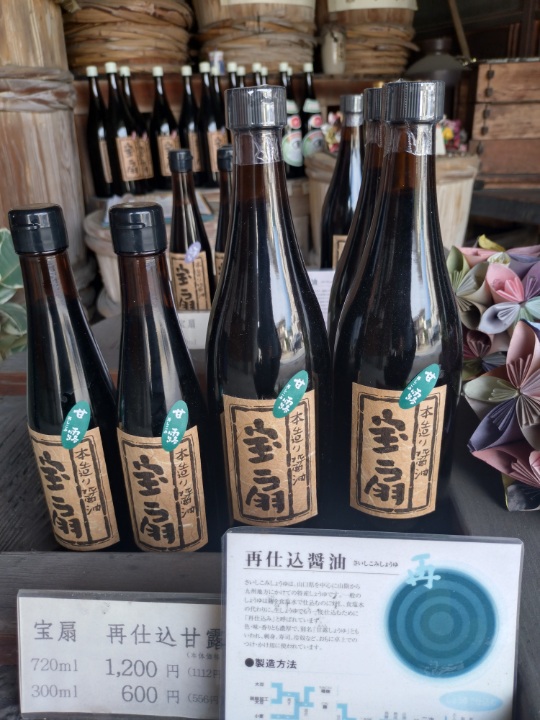
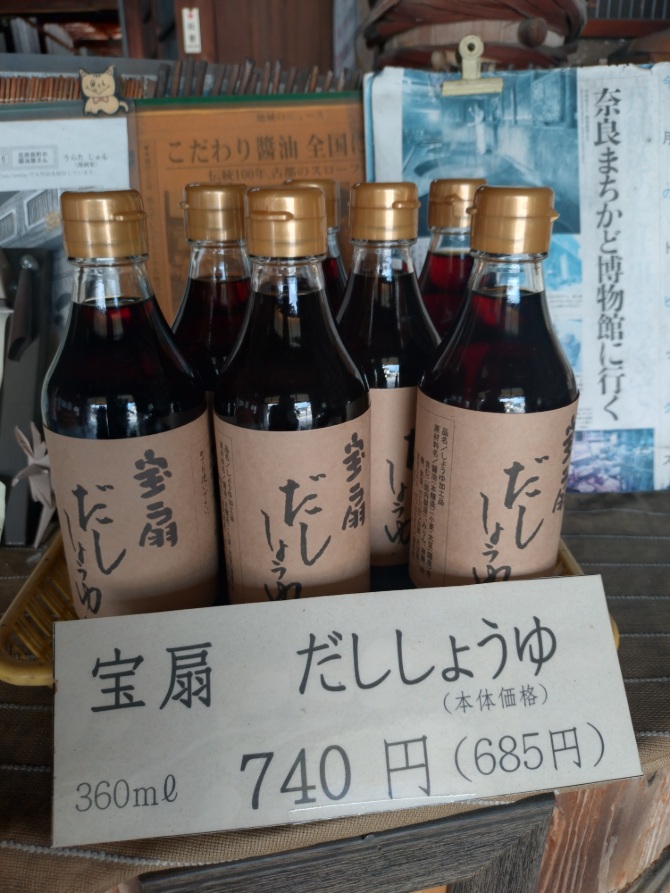
Koikuchi, tamari, and dashi soy sauce—three different styles, each with its own place in Japanese cooking.
I chose three bottles to take home: koikuchi soy sauce, tamari soy sauce, and dashi soy sauce.
While we were chatting, one of the staff told me that she personally uses koikuchi soy sauce for almost everything. She also recommended pouring dashi soy sauce over freshly grilled atsuage (deep-fried tofu), saying it was one of her favorite ways to enjoy it.
My family and I often enjoy sashimi together, so I’m especially looking forward to trying the tamari soy sauce. I hope it becomes another favorite in our kitchen.
Looking back, I realized I hadn’t just found a new soy sauce. I had discovered another small piece of Japanese food culture—one shaped by tradition, craftsmanship, and people who quietly continue doing what they love.
💙Kaha’s Note
Hearing about traditional soy sauce brewing brought back a childhood memory.
Near my parents’ home, there was a soy sauce factory, and I vaguely remember visiting it on a school field trip when I was in elementary school. At the time, I was just a child, and all I could think was how strong the smell of fermentation was. Looking back now, I realize I was experiencing a tradition that had been passed down for generations.
Someone I know had the opportunity to tour Mukaide Shoyu Jozomoto several years ago and told me how impressive the traditional wooden barrels were. They also mentioned that the brewery used to offer tours, but no longer does, partly because of COVID-19 and other infectious diseases. I would have loved to experience that myself.
Recently, I also discovered that the soy sauce factory near my parents’ home still offers tours and has a small museum.
I’m hoping to visit this autumn if I have the chance. I’d love to learn more about the history of soy sauce and see how it is made today.
🌈 Explore More
Explore more stories from Rainbow Awakening, where Japanese culture, sacred places, seasonal traditions, everyday life, nature, and moments of quiet reflection come together.


コメント