
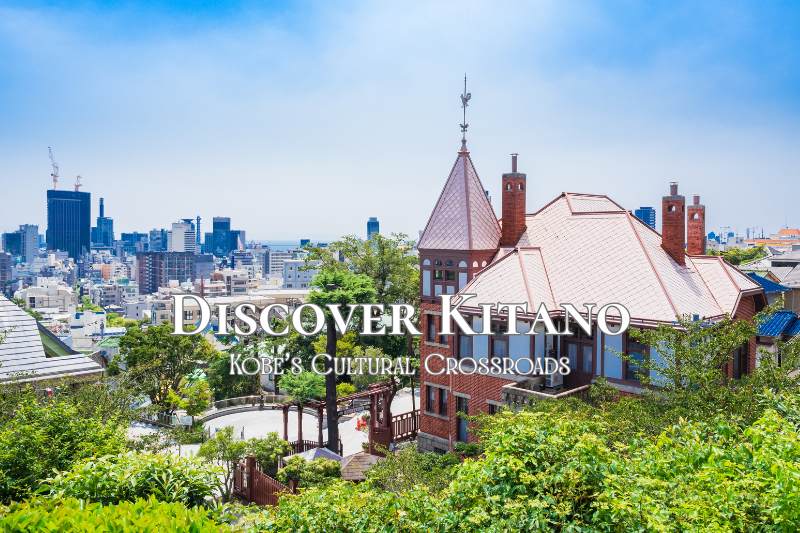
🚢Lead-in
Kobe is more than just a port city — it’s a place where history, culture, and international flavor come together. In the heart of the Kitano district, you’ll find steep hills lined with western-style houses, cozy bakeries, stylish cafés, and sacred spots like Kitano Tenmangu Shrine. On a recent visit with friends, we explored this unique part of Kobe: we enjoyed a relaxed café lunch, wandered through charming streets full of old architecture, and paid a peaceful visit to a historic Shinto shrine. Kitano is where past and present, East and West, naturally blend — making it a perfect spot for a slow, inspiring day out in Kobe.
🎥 Now available: Watch the travel video of this Kitano walk
▶ Rainbow Thread #2 on YouTube 🔗https://youtu.be/WU6N4YKhSBM
⚓ Discovering Kitano: Kobe’s Cultural Crossroads
A district where shrines, cafés, mosques, and mansions meet — welcome to Kitano, the heart of Kobe’s international charm.When people think of Kobe, they usually picture a beautiful port city nestled between the sea and the mountains. It’s a place where cultures from around the world have blended seamlessly since Japan opened its ports in the 19th century. And within this cosmopolitan city, Kitano (北野) stands out as a neighborhood full of charm, history, and cultural diversity.
Walking through Kitano feels like stepping into a completely different world. Western-style houses line the sloped streets, flower pots wave international flags, and the famous “Weathercock House” watches over the town from above. Everything about Kitano whispers of stories from different eras and places, making it one of the most visually unique spots in Kobe.
What’s especially striking is the way religious and cultural spaces coexist. You’ll pass by shrines and temples, then suddenly spot a mosque, a church, or even an international school — all within the same area. Kitano isn’t just a preserved historical district; it’s a living neighborhood where global and local life meet naturally every day.


Kobe Muslim Mosque — Japan’s oldest mosque, quietly standing in the heart of Kitano.

Bhagwan Mahavir Swami Jain Temple — a strikingly white, marble Jain temple in the heart of Kobe. A rare sight in Japan, yet perfectly at home in Kitano’s multicultural atmosphere.

A sign detailing visitor rules reminds us that this is not just a building — it’s an active place of worship, with deep respect for tradition and spiritual practice.

Flower beds and international flags outside an international school — a daily scene in Kitano.

The Weathercock House, one of Kitano’s most iconic Western residences.

Wandering uphill through Kitano’s quiet, winding streets — every turn holds a new discovery.
On this visit, I explored Kitano with a friend, just taking our time. We walked up the hill, stopped at a cozy café for lunch, admired the architecture, and visited a peaceful Shinto shrine. It didn’t feel like a typical sightseeing day — it felt like we were traveling through a quiet pocket of the world, tucked away in the middle of Kobe.
If you’re ever in Kobe, I highly recommend setting aside a few hours to wander through Kitano. It’s not just about the sights — it’s about the atmosphere, the small surprises, and that lovely feeling of discovering something unexpected around every corner.
Kitano isn’t just stylish. As you walk through its streets, you’ll quickly realize that it’s a place where Japan and the world live side by side — not in contrast, but in harmony.
⛩️Kitano Tenmangu Shrine: Sacred Calm and Historical Depth
Tucked at the very top of Kitano’s steep slope, Kitano Tenmangu Shrine greets visitors with a dramatic stone torii gate, standing tall against the skyline. The moment you pass through it, you leave behind the Western façades of the Ijinkan and step into a space of quiet reverence. The shrine grounds may not be large, but they carry an immense sense of history and intimacy — as if the place has been gently watching over the city for centuries.

At the center stands the main worship hall, originally constructed in 1742, with its classic curved roof and aged wooden beams. From this spot, you can see the shrine’s entire layout: the stone lanterns, the small auxiliary shrines (each dedicated to a different deity), and a sweeping view of Kobe city in the distance. Standing here, you can feel both the spiritual stillness and the dynamic energy of a city rooted in diversity.
One of the shrine’s most beloved features is the “Kanai Koi” (Wishing Koi) statue. Visitors pour water over a carved stone koi fish while silently making a wish. Because “koi” also means “love” in Japanese, the act is often associated with prayers for romance or meaningful connections. As you walk a little deeper into the shrine grounds, you’ll come across the sacred ox statue, or Goshin-gyū, revered for its blessings of wisdom and healing. Legend says that by touching the ox’s head or body — especially the part of your own body that needs healing — you may receive protection, wisdom, or even academic success.

This ‘Wishing Koi’ fountain is where people pour water to pray for love and happiness.

Touch the sacred ox and make a wish — said to bring wisdom, healing, and academic success.
On the side, you’ll find rows of ema, the wooden plaques where people write their wishes. Many of them are from students praying for good exam results, as Sugawara no Michizane, the shrine’s main deity, is revered as the god of learning. You may also find heartfelt wishes for love, career, family, and health — a testament to how this small shrine welcomes all kinds of hopes from people of every background.
Interestingly, despite its traditional roots, Kitano Tenmangu Shrine reflects the spirit of Kobe: respectful of the past, yet open to the world. During events like the Kitano International Festival, the shrine becomes a stage for multicultural performances — folk dances from around the world are performed right in front of the sacred grounds. It’s a unique blend: ancient rituals meeting global culture, under the same sacred roof.
Kitano Tenmangu Shrine may not be the largest or most famous in Japan, but in many ways, it’s one of the most symbolic — a place where history, nature, and human emotion quietly intertwine. Whether you’re seeking peace, praying for success, or simply curious about Kobe’s spiritual heritage, this little hilltop sanctuary is well worth the climb.
Despite its traditional roots, Kitano Tenmangu Shrine isn’t closed off to the modern world. During local festivals like the Kitano International Festival, the shrine’s open stage hosts folk dances and music from various countries, drawing both locals and tourists into a shared space of culture and celebration. It’s a rare example of a Shinto shrine that harmonizes with its multicultural surroundings, without losing its sacred atmosphere.
For many, visiting this shrine is more than a cultural stop — it’s a personal experience. Whether you’re a student hoping for success, someone wishing for love, or simply a traveler seeking peace, Kitano Tenmangu Shrine welcomes everyone with quiet dignity. Surrounded by both spiritual symbols and international charm, it reflects exactly what Kobe stands for: the graceful coexistence of the traditional and the global.

Fox figurines quietly line up in another corner of the shrine grounds— each one carrying a heartfelt wish.

From the shrine grounds, you can spot the iconic Weathercock House — a symbol of Kobe’s Kitano district.
☕Café Lunch at Ijinkan – Stylish Sips in a Historic Setting
When strolling through Kitano, one of the delights is stepping inside the Western-style houses that have been reborn as stylish cafés. These Ijinkan buildings, once private residences for foreign merchants and diplomats, now blend nostalgia with modern tastes. They are the perfect spots to slow down after walking the steep hills, while enjoying Kobe’s international charm.

The building, originally the Schüweke Residence (built in 1896), now welcomes visitors as a stylish café.

The entrance to Bread, Espresso& Ijinkan, a café and bakery housed in a preserved Western-style residence.
The café we visited was tucked inside a beautifully preserved Ijinkan, its wooden beams and tall windows inviting light across polished tables. Outside, a brick wall and classic gate hinted at the history within, but stepping inside revealed a completely different world — warm, modern, and cozy, yet retaining the elegance of the old house. It was easy to imagine the building’s past life, even while savoring something entirely contemporary.
What made the experience unforgettable was the lunch itself. I ordered an open-faced toast layered with creamy avocado and topped with generous slices of smoked salmon. The dish was paired with a side salad and a bowl of soup, balancing freshness with comfort. Each bite was both simple and refined, echoing the harmony between Kobe’s global and local influences. With an iced latte beside it, the meal felt like the perfect fusion of Western flavors and Japanese attention to detail.

Avocado and smoked salmon toast — a light yet satisfying lunch in a historic Ijinkan café.
After lunch, the aroma of freshly baked bread drew us deeper into the building. The café was connected to a bakery called Bread, Espresso &Ijinkan, famous for both artisanal loaves and buttery pastries. Inside, rows of bread lined rustic wooden shelves, from crusty baguettes to soft, golden rolls. Each item looked irresistible, and the interior design — a mix of industrial wood palettes and retro details — created a stylish yet relaxed atmosphere.
There was something special about tasting bread in a setting where history met craftsmanship — every bite seemed infused with the spirit of Kobe as a port city, shaped by its openness to outside cultures.
What struck me most about the café was how effortlessly it bridged time. The building itself whispered of the past, while the food and coffee belonged firmly to the present. Sitting there, you could sense the layers of Kobe’s history — Western architecture, Japanese hospitality, and the city’s constant embrace of cultural exchange. For travelers, a café like this is not just about eating or drinking; it’s about experiencing the soul of Kitano through taste and atmosphere.
🍵 Global Tastes and Stylish Souvenirs
No visit to Kitano is complete without exploring its food scene and shops. Beyond shrines and cafés, the neighborhood is also home to specialty stores where you can find elegant souvenirs and long-loved delicacies.
One favorite is Lakshimi, a boutique tea shop known for its signature “Queen’s Honey Tea.” The blends are beautifully packaged and make perfect gifts. Just stepping into the shop feels like being transported to a fragrant oasis, with shelves lined with teas from around the world.

Lakshimi Tea House — famous for its Queen’s Honey Tea, a Kobe specialty.
Not far away, Nosta combines a cozy café with a curated shop. You can enjoy light meals or desserts in-house, and browse a stylish selection of chocolates, spirits, and Kobe-made treats to take home. It’s a place where eating and shopping blend seamlessly — a perfect stop if you’re looking for both a relaxing break and a special souvenir.

Nosta Café and Shop — from desserts to Kobe-made chocolates and spirits
For something more traditional, there’s a local delicatessen that has been loved by residents for decades. Known for its smoked salmon and roast beef, this deli is the kind of place people recommend if you want a taste of Kobe beyond the usual tourist path. The selection feels timeless, a reminder that Kitano is not only international but also deeply rooted in local culinary traditions.

Toa Road delicatessen–A long-established deli in Kitano, offering smoked salmon and roast beef.
And while we focused on these highlights, Kitano also brims with multicultural flavors — from Chinese to Indian curries and halal restaurants near the mosque. Walking here really feels like a mini world tour without leaving Kobe.
🎥 Coming soon: our Kitano travel video
We’re also working on a short video version of this Kitano walk, featuring lively streets, cozy cafés, and the international food scene — including photos and moments we didn’t share here. Stay tuned!
💌 Kaha’s Note
Visiting Kitano reminded me how much I love cities where history and diversity coexist so naturally. From quiet shrines to stylish cafés, from elegant tea shops to multicultural food corners, every step felt like opening a new chapter of Kobe’s story. If you’re planning a trip, make sure to leave enough time to wander, taste, and simply enjoy being surprised.
🔗 Explore More
👉 Explore more at 8rainbow.work
Be sure to visit our homepage and browse more posts — you might find your next inspiration waiting there!


コメント