

✨ Lead-in
I first discovered amazake milk at a tiny, koji-focused restaurant hidden in a quiet Kyoto neighborhood, where I had lunch with a dear friend. It was served after the meal—smooth, subtly sweet, and unexpectedly comforting. The menu quietly mentioned that it “supports intestinal activity,” and to my surprise, I could actually feel a difference the next day. Not a dramatic one—just a sense of lightness and quiet harmony.
A few days later, I spotted a small bottle of amazake tucked away in the cooler of my local Japanese supermarket. That afternoon in Kyoto came back to me—like a soft whisper. I wasn’t chasing health trends or beauty fads. I just felt drawn to experiment, to see if it could become part of my little “remedy ritual.”
🍶 What Is Amazake?
Amazake (甘酒, meaning “sweet sake”) is a traditional Japanese drink made from fermented rice and koji—a mold culture used in many fermented foods like miso and soy sauce. Most commercially available amazake contains no alcohol and no added sugar. Koji breaks down the starch in rice into natural glucose, creating a creamy, naturally sweet liquid rich in enzymes and amino acids.
Historically, amazake has been consumed for centuries in Japan, especially in winter, as a gentle nourishment that promotes energy, digestion, and intestinal balance. Its reputation as a wellness and beauty-enhancing tonic has grown, thanks to its support for gut health, gentle detox, and inner hydration.
🌿 Health & Balance Benefits
✨Supports Digestion & Gut Health
Rich in enzymes, oligosaccharides, and natural fiber, amazake helps regulate digestion and supports a lighter, balanced feeling in the body.
🌟Promotes Skin Vitality
With B vitamins, amino acids, and fermented compounds, amazake contributes to hydration, elasticity, and radiance from within.
💪Gentle Energy Boost
Unlike coffee or sugary drinks, amazake provides slow-releasing natural glucose. It lifts energy without jitters, making it ideal for mornings or mid-afternoons.
💗Nutrient-Rich
Sometimes referred to as “a drinkable IV drip,” amazake has long been valued for its nutrients and gentle support for the body. It contains B1, B2, B6, folic acid, dietary fiber, and essential amino acids—small but powerful building blocks for overall wellbeing.
This isn’t about quick fixes or intense regimens—it’s about small rituals of nourishment and kindness that quietly support your body and spirit.
🥛 Kaha’s Recipe: A Gentle Approach
If you’re new to amazake milk, start with this soft and balanced ratio:
- 100ml of amazake (unsweetened, koji-based)
- 100ml of milk (cow’s, almond, oat—your choice)
Pour the amazake into a mug, add milk, and stir gently. Enjoy warm or cold.
💡 Kaha’s tip: I usually use just half a small bottle of amazake (about 50ml) and fill the rest with milk. That makes it milder, softer. Once you get used to it, you’ll find your own natural balance.
🛒 Everyday Choices: Supermarket Shelf
At my local supermarket, I was surprised to find so many varieties of amazake—cartons, pouches, and compact bottles, each with different nuance.

A variety of amazake at a nearby Japanese supermarket. Rows of quiet nourishment, waiting in the chilled section.
Among them, I prefer the small bottles—easy to finish, perfect for days when I don’t need a lot. Especially in winter, I often warmed milk and poured in half a bottle. Simple, soothing, and deeply comforting.
🥤 My Go-To: Hakkaisan’s Small Bottles
One of my favorites is the neat white bottle with the red cap from Hakkaisan. Made with only rice and koji, no sugar, no additives.

“Hakkaisan” amazake bottles—compact, pure, and perfect for everyday balance.
I don’t drink it every day. But when I do, it always feels like the right choice—a gentle pause in the middle of busy life.
🎁 A Thoughtful Gift
A friend once gave me a more refined kind of amazake, which came from a small, specialty shop known for its quality. The taste felt different—gentler, deeper, as if it carried the care of the maker. It wasn’t made with just rice, but also millet, which added a soft, earthy nuance. The label offered gentle suggestions: mix it with milk or soy milk, stir it into yogurt, enjoy it as is, or even use it in cooking. I once blended it with fruit instead of honey—and was surprised by how naturally sweet and grounding it felt.
It reminded me that amazake isn’t only about daily nourishment. Sometimes, it’s also about a particular place, a particular moment, and the intention behind sharing it.
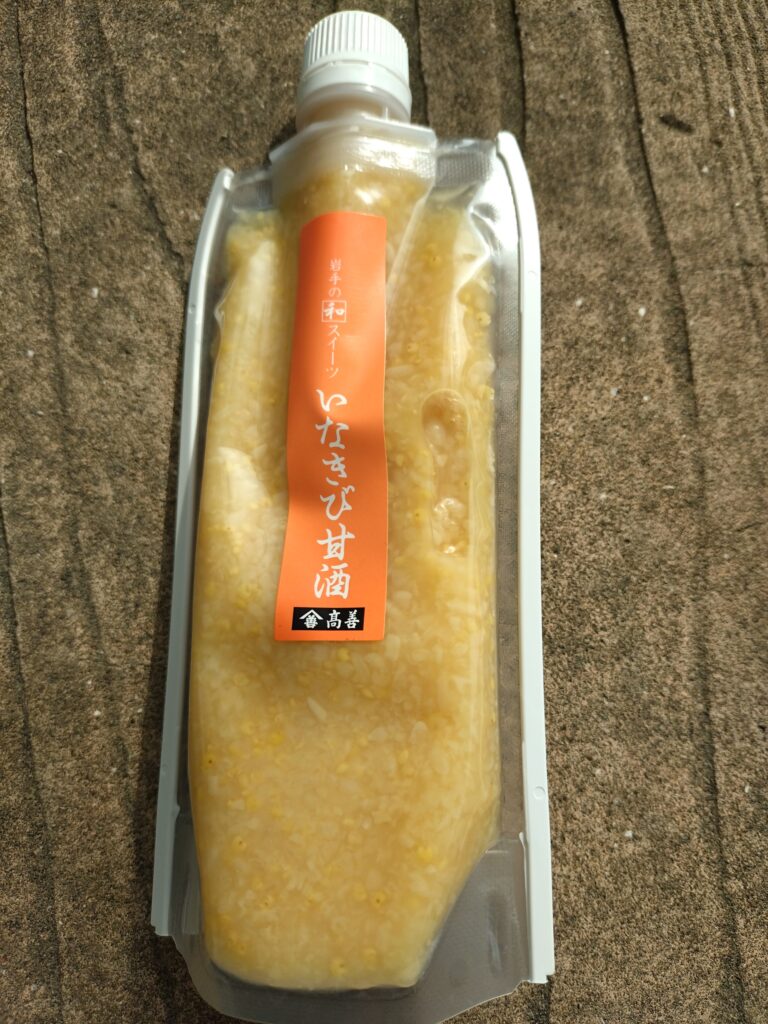
That gift reminded me: amazake isn’t only about personal wellness. It’s also about sharing. A small package given with care can feel as nourishing as the drink itself.
🌍 Where to Find Amazake (Even Overseas)
If you’re living outside Japan, you can still explore amazake through Japanese or health-conscious online shops:
- Japan Centre (UK)
- Yamibuy (US)
- Amazon (global availability)
- Natural food stores in health-conscious communities
- Specialty fermentation shops in Australia, New Zealand, Europe, and Asia
Look for labels that say “no added sugar” or “made with rice and koji.” Those are the ones that capture the gentle, balanced sweetness.
💌 Kaha’s Note
I don’t drink alcohol, but in winter I love adding a spoonful of sake kasu (sake lees) to soups for warmth and depth. Sometimes I find beautifully packaged versions near small shrines or local breweries.
If you ever visit a sake brewery in Japan, explore beyond the sake itself. You might discover sake soap, unique condiments, or fermentation-based treasures. These quiet, sensory discoveries connect body, place, and spirit in unforgettable ways.
Amazake milk didn’t become a ritual overnight. It began with a small memory in Kyoto, then returned in a quiet moment at home.
It’s not about trends, or chasing results. It’s about listening to your body and spirit, and offering them something gentle.
Sometimes, a single cup is enough. A pause. A reminder. A ritual for inner balance.
🔮 Coming Next: What Is Koji?
In the future post, we’ll explore the living foundation behind amazake—koji.
What is it, why does it matter, and how can it bring more balance and nourishment into your daily rituals?
💻 Explore More
🌈 Back to Home
Want to explore more places and stories in Japan?
👉 Return to the main page
📸 Image Credits
- All personal photos taken by the author.

コメント