

Full Moon, Folklore, and Autumn Reflection
🐰Lead-In
Every autumn in Japan, a luminous full moon rises into the night sky — round, radiant, and quietly powerful. Known as Chūshū no Meigetsu (中秋の名月), or “The Harvest Moon,” this annual celebration blends beauty, tradition, and storytelling.
More than just a visual treat, it’s a moment for gratitude, reflection, and a whimsical gaze at the moon where, instead of a man, a rabbit pounds rice cakes in the shadows. This age-old image touches hearts young and old, and keeps Japan’s moon-viewing tradition alive in both spirit and style.
🌕What Makes the Harvest Moon of 2025 So Special?
Each year brings the full moon, but 2025 may carry an extra layer of meaning.
In Japan, the arrival of the Harvest Moon — or Chūshū no Meigetsu (中秋の名月) — has long been a moment to pause and reflect. With a beautiful, full moon glowing in the crisp autumn sky, people express gratitude for the season’s blessings, the changing rhythms of nature, and the quiet elegance of the night.
The tradition began during the Heian period (794–1185), when aristocrats would hold graceful moon-viewing gatherings, composing poetry and enjoying seasonal dishes beneath the glowing sky. Over the centuries, this poetic custom made its way into homes across Japan, becoming closely tied to agriculture and spiritual offerings of thanks during the autumn harvest.
In 2025, this time-honored celebration holds even more symbolic weight. According to Japan’s traditional calendar, two of the most auspicious days — Ichiryūmanbaibi (一粒万倍日) and Tenshabi (天赦日) — are set to overlap around the same time as the Harvest Moon.
- Ichiryūmanbaibi means “one grain becomes ten thousand.” It’s believed to be a powerful day to start anything new, with the potential for enormous growth.
- Tenshabi is a “day of heavenly forgiveness,” said to be the luckiest day for any endeavor, as all actions are viewed favorably by divine forces.
In 2025, this rare overlap occurs on October 6, just before the moon reaches its fullest. Many believe that such a convergence of seasonal beauty and calendar-based fortune makes this year’s Meigetsu especially meaningful.
Watching the moon on such a night can feel like more than just a tradition — it becomes a way to align personal hopes with the broader forces of nature and time. For many, it offers a subtle yet powerful sense of momentum, as if the moon itself is encouraging something to begin.
🐇The Rabbit on the Moon: A Tale of Imagination and Heart
Why do people in Japan see a rabbit on the moon — and what does it truly mean?
While people in the West often speak of a “man in the moon,” many in Japan grow up hearing a different story — one where a rabbit lives on the moon, pounding mochi (rice cakes). This charming image is not linked to a single origin, but rather has evolved through folklore, seasonal traditions, and visual imagination.
Over the centuries, the moon rabbit (tsuki no usagi) has become a beloved symbol of kindness, gratitude, and seasonal joy, especially during the moon-viewing season of Chūshū no Meigetsu.
① A Story Rooted in Compassion
One of the most well-known explanations comes from a Buddhist folktale introduced to Japan from India and China. In this story, a rabbit, seeing a traveler in need, offers its help. In early versions, the rabbit sacrifices itself, but in Japan, the narrative has gradually softened to highlight the rabbit’s pure-hearted intentions and willingness to help — even if it had nothing to give but itself.
Rather than focusing on sacrifice, the story came to represent generosity and sincerity — qualities that fit well with the spirit of the harvest, when sharing food and showing gratitude are central values.
Today, the rabbit is imagined not as a tragic figure, but as a gentle companion of the moon, living peacefully and engaging in the familiar, comforting act of making rice cakes.
② Why a Rabbit? And Why Mochi?
There are many theories about how the rabbit came to be associated with the moon — one of which is purely visual. When people look at the full moon, the mix of light and shadow can appear to form the shape of a rabbit crouching beside a mortar, as if pounding something rhythmically.
As for mochi, there’s a theory that the association emerged from wordplay. The Japanese term “mochizuki” (望月) means “full moon,” but it sounds very similar to “mochi-tsuki” (餅つき), or “mochi pounding.” Some believe that this phonetic resemblance helped solidify the image of a rabbit making rice cakes on the moon — especially in a culture where seasonal food and language are so closely linked.
It’s hard to say exactly when this imagery became widespread, but some suggest it may have become common during the Edo period, when moon-viewing became more popular among the general public. However, like many cultural symbols, the story likely developed gradually over time and through many different influences.
③ A Living Tradition of Wonder
What gives the moon rabbit its lasting power is not just mythology, but how it invites imagination. It offers a childlike way of connecting with the vastness of the night sky, turning a distant celestial body into something warm and familiar.
For children, it’s a magical image that makes the sky feel alive. For adults, it’s a symbol of quiet effort, kindness, and seasonal beauty — and for everyone, it adds emotional depth to the act of simply looking up.
Today, the moon rabbit appears in children’s stories, seasonal packaging, anime, festivals, and art. Though the meanings may differ, it continues to stir a sense of gentle mystery — and during the Harvest Moon, it offers a comforting presence in the sky.
🎑Moon Viewing in Modern Japan
Tradition meets convenience — and continues to evolve in personal ways.
While Chūshū no Meigetsu remains a traditional celebration, in modern Japan the way people enjoy the full moon has expanded far beyond historical customs. Depending on region, lifestyle, or even the year’s trends, tsukimi today can be spiritual, social, or simply fun.
Some households still prepare tsukimi dango and pampas grass, following older rituals. Others enjoy the season more casually — through food, photography, or even themed events at restaurants and shops.

Tsukimi Dango OfferingーA classic moon-viewing offering: tsukimi dango stacked in a pyramid on a wooden tray. These white dumplings are offered to the moon as a sign of gratitude for the autumn harvest.Each dumpling mirrors the shape of the full moon — soft, round, and serene.

Susuki Grass Offering — Japanese pampas grass (susuki) is another classic part of the moon-viewing display. Traditionally, some say that it was offered as a stand-in for rice plants, symbolizing an abundant harvest. Over time, it also came to be seen as a charm to ward off evil spirits and invite seasonal protection. They are often placed in a vase beside tsukimi dango at home.

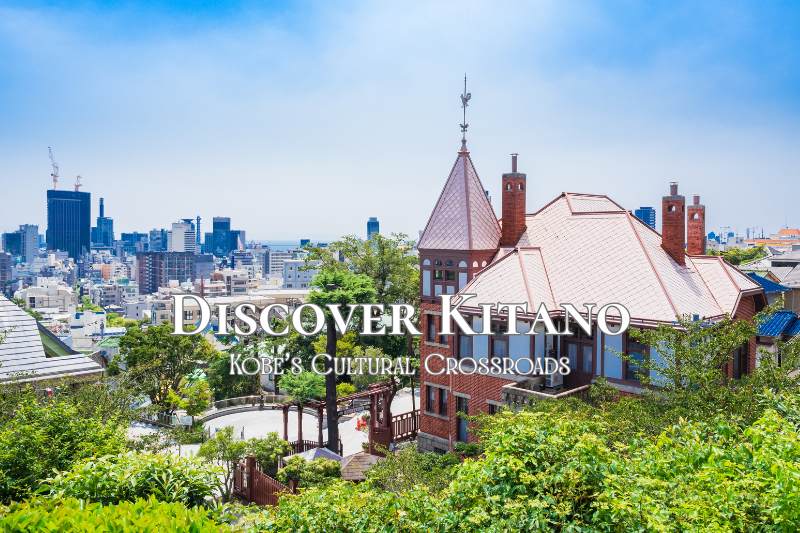
Susuki (Japanese pampas grass) displayed at Kitano Tenmangū Shrine in Kobe, Hyogo.
Such arrangements are often seen during autumn festivals, where pampas grass is used both as a symbolic substitute for rice and as a charm believed to ward off evil.
The stage itself is sometimes used for kagura, a traditional sacred dance—ceremonies seem to be held here on the 25th of each month. (https://www.kobe-kitano.net/)
① “Tsukimi” Foods in Everyday Life
In recent decades, seasonal “tsukimi foods” have become a big part of modern celebrations — especially among younger generations.
In convenience stores, bakeries, and cafes, it’s common to see:
- Tsukimi burgers: Typically featuring a sunny-side-up egg to represent the full moon
- Tsukimi udon or soba: With an egg yolk dropped in like a glowing moon
- Moon-themed sweets: Such as custard tarts, cakes, or mochi shaped like rabbits or the moon

Avocado Tsukimi Burger A seasonal twist on a classic — this burger features a sunny-side-up egg to resemble the full moon, often enjoyed during the Tsukimi (moon-viewing) season in Japan.

A bowl of tsukimi udon — a traditional noodle soup topped with a raw egg, symbolizing the full moon. The name literally means “moon-viewing udon.”

Seasonal sweets shaped like cute rabbits, inspired by the moon rabbit folklore. Often enjoyed by children and adults alike during the tsukimi season.
Some of these foods are marketed for a limited time during early autumn, making them feel both festive and accessible. For many, this is their main connection to the seasonal celebration.
That said, not everyone calls it a “celebration” — for some, it’s just a fun time to enjoy moon-shaped treats.
② Public and Cultural Events
In certain regions, temples, parks, and historic sites host special moon-viewing events. These vary widely in style — from traditional rituals to artistic performances.
Some examples include:
- Sarusawa Pond in Nara: A tranquil site near Nara Park, known for its moonlit reflections and the Uneme Festival, which features court music, floating lanterns, and ceremonial boats.
- Ishiyama-dera Temple in Shiga: Located along Lake Biwa, this temple sometimes holds “Autumn Moon Festivals” where the moon is enjoyed alongside seasonal foliage.
- Mount Takao near Tokyo: A popular hiking spot where some enjoy “moon-viewing night hikes” to appreciate both the city lights and the full moon from the mountaintop.
- Hamarikyu Gardens in Tokyo: This Edo-period garden occasionally hosts night-time openings or moon-themed strolls, combining urban elegance with lunar beauty.
These events aren’t held nationwide, and not everyone may be familiar with them — but for those who attend, they offer a unique and atmospheric way to mark the season.
③ Quiet Moments at Home
For many people, moon-viewing is less about formal events and more about personal moments. After dinner, they might step outside to look up at the sky, take a quiet walk, or share a moon photo on social media with a few thoughtful words.
Even something as simple as lighting a candle and placing a plate of dango by the window can feel grounding and seasonal.
There is no single “correct” way to experience tsukimi. Some prefer the structure of tradition; others find joy in spontaneous observation. The moon welcomes all.
🕯️Personal Ways to Enjoy the Full Moon
Simple, mindful, and creative ways to connect with the season.
While moon-viewing has deep historical and cultural roots, many people today enjoy tsukimi in ways that feel more personal — and sometimes even playful. Whether you’re in a city apartment or a rural town, there are simple ways to make the most of this seasonal moment.
These small acts don’t need to follow any rules. In fact, many people say it’s when they let go of “doing it the right way” that moon-viewing becomes most meaningful.
① Step Outside, Just for a Moment
Sometimes the best way to enjoy tsukimi is simply to stop what you’re doing and go outside. Even a few quiet minutes on a balcony, rooftop, or park bench can bring a moment of calm.
If the weather is clear, try spotting the moon’s subtle shadows — can you see the rabbit?
Others like to bring a warm drink, sit in the dark, and let their thoughts wander with the sky. It’s a small but grounding ritual.
② Keep a Moon Journal or Sketchbook
For those who enjoy writing or drawing, keeping a small moon journal during the autumn season can be a quiet joy.
You might record:
- The moon’s size or shape that night
- The feeling of the air
- Any thoughts or poems that come to mind
- A sketch of the moon and surrounding sky
Some seem to enjoy keeping a lunar diary throughout the year, writing or sketching something at each full moon. Over time, it becomes a quiet record of both the sky and the self.
③ Make or Share a Story
In some households, parents tell children the story of the moon rabbit, or even create new stories together — blending folklore and family imagination.
Others enjoy reading poems, writing haiku, or even watching anime that feature the moon as a theme. The goal isn’t accuracy — it’s emotional connection.
This kind of storytelling can be especially meaningful for those living far from nature, helping to bridge distance through creativity.
④ Moon Walks and Moonlight Photography
Taking a walk under the moon — even just around your block — can offer a peaceful change of pace. The light of the full moon often casts shadows and highlights that we don’t notice during the day.
For photography lovers, it’s a chance to capture the colors, glow, and mood of the night. Posting a simple photo with a few thoughtful words can also become a kind of seasonal reflection.
⑤ Host a Tiny Tsukimi Gathering
Even a casual evening with a friend or loved one, sharing dango or tsukimi-themed food, can create a small seasonal celebration.
You don’t need decorations or ceremony — just good company, something tasty, and a view of the sky.
It’s the spirit of tsukimi, not the form, that makes the moment special.
⑥ Lunar Rituals and Gentle Reverence
For some, the Harvest Moon is also a time to reflect spiritually — a personal ritual to reconnect with rhythm and inner calm.
You might:
- Pull an oracle card to set a seasonal intention
- Cleanse crystals under moonlight
- Create a simple altar with natural items
- Light incense and write what you’re ready to release
These practices don’t belong to any one path. They’re quiet gestures of self-connection — a way to pause and honor the shifting energy of the season.
🔗 If you’re curious about lunar-aligned rituals, I’ve written more about it here:
👉 🌕 Rituals and Reverence #1
🌾 Soni Highlands: A Place Where the Moon Finds You
Tucked into the eastern hills of Nara Prefecture, Soni Highlands (曽爾高原) is known for its sweeping fields of silver pampas grass (susuki) and wide-open skies. As the sun sets in early autumn, the plains turn golden — and when the moon rises, they shimmer in soft silver.
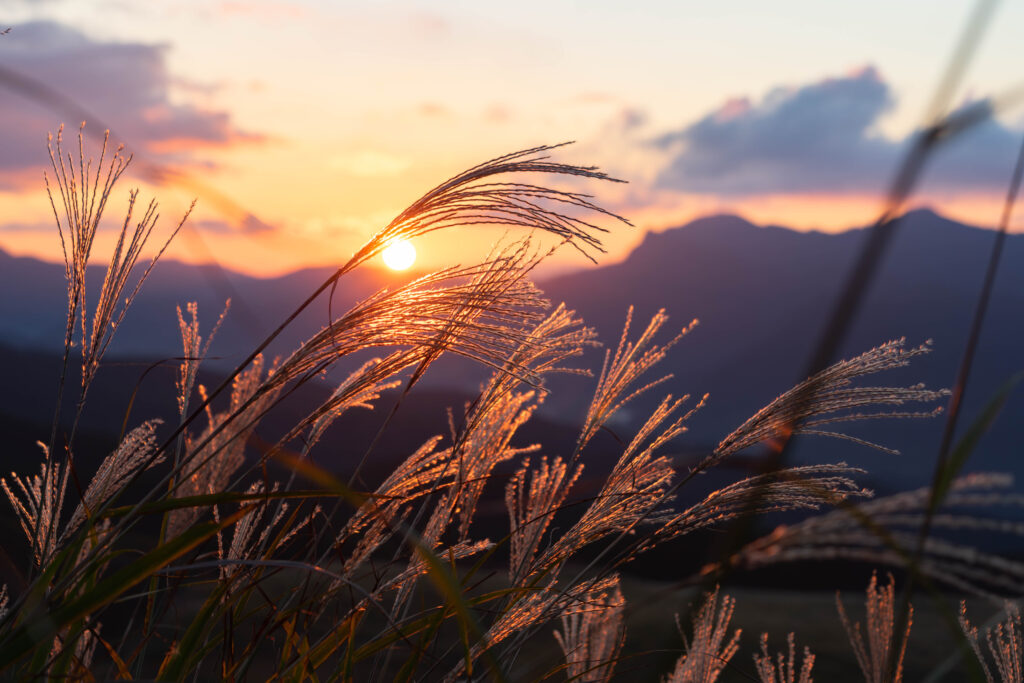
The golden pampas grass of Soni Highlands glows in the evening light. Known for its hiking trails and panoramic views, this Nara gem offers a changing landscape from sunrise to moonrise — each moment with its own quiet beauty.
In some years, moon-gazing groups and photographers gather here in late October, hoping to see the full moon glint above the rustling grass. The high elevation and minimal light pollution offer a rare sense of spaciousness and quiet, making it an ideal setting for a contemplative moonlit evening.
During the seasonal event “Soni Kōgen Yama Akari”, hundreds of lanterns are placed along the walking paths and ridges, gently lighting the highlands from dusk until 9 p.m. The effect is otherworldly — a field of stars at your feet, and another above your head.
While there’s no guarantee of a perfect moonrise (as with all things in nature), the journey to Soni offers something deeper: a moment to slow down, breathe, and feel yourself surrounded by sky.
If you’re ever near Nara during tsukimi season, bring a warm drink, a small blanket, and a quiet heart — the moon might just find you there.
🗺️ More info: Nara Tourism Official Site (Aoniyoshi Nara Travel Net)
🕊Kaha’s Note
Seasonal beauty, quiet gratitude, and a personal connection to something timeless.
The Harvest Moon — Chūshū no Meigetsu — is more than a beautiful full moon in the sky. It’s a moment that connects us to the rhythms of the earth, to the cycles of light and shadow, and to the quieter parts of ourselves that often go unheard in daily life.
Whether you prepare a traditional tsukimi altar, share mochi and moon-shaped foods, tell stories of the moon rabbit, or simply step outside and look up — this moment invites reflection.
For some, the moon is a mirror. For others, a symbol of hope, or healing, or softness in a hard season. And for many, it’s simply a reminder to pause, breathe, and be present.
This year — with auspicious dates like Ichiryūmanbaibi and Tenshabi aligning — you may feel an extra pull to set intentions or celebrate in your own way. Whether it’s a ritual, a quiet journal entry, a shared meal, or simply stepping outside — I hope you find a way to enjoy the moon that feels natural and calming for you.
So light a candle 🕯️, hold a warm cup, or open a window. Let the light of the moon fall gently across your hands. In that glow, you are part of something ancient and ongoing — a tradition that’s been honored in different ways, by different people, for centuries.
And in that moment, you are not alone.
🌈 Explore More
If you liked this post, you may also enjoy:
🌑 Rituals & Reverences #5 │ Salt & the New Moon
From ancient purification to modern practices — how salt and moon phases connect.
🍶 Rituals & Reverences #6 │ Sake for the Soul
Exploring the sacred role of sake across time — as offering, ritual, and soul-nourishment.
✨ For more writings on spirituality, moon cycles, and intuitive living,
visit the homepage:
👉 https://8rainbow.work
Let the moon guide you — and may your path always glow gently forward.

コメント