

Discover the Meaning, History, and Cultural Significance of the Seven Lucky Gods
- 🟠 Lead-in
- 🏮 What Is Shichifukujin?
- 🧿 Meet the Seven Deities
- Understanding the Powers and Origins of Each Shichifukujin
- ① Ebisu (恵比寿): The Fisherman God of Prosperity
- ② Daikokuten (大黒天): The God of Wealth and Abundance
- ③ Bishamonten (毘沙門天): The Warrior God of Protection and Authority
- ④ Benzaiten (弁財天): The Goddess of Music, Art, and Wisdom
- ⑤ Fukurokuju (福禄寿): The God of Happiness, Wealth, and Longevity
- ⑥ Jurojin (寿老人): The God of Longevity and Serenity
- ⑦ Hotei (布袋): The Laughing Buddha of Abundance and Joy
- 🧭Shichifukujin Pilgrimage — A Journey Through Spirit and Culture
- 🌸 Section 4: Shichifukujin in Modern Life
- 🕊Kaha’s Note
- 📢 Now Available
- 🔍 Explore More
🟠 Lead-in
Have you ever heard of the Seven Lucky Gods of Japan—Shichifukujin(七福神)? These colorful and unique deities are symbols of happiness, prosperity, and good fortune. They come from a mix of beliefs—Shinto, Buddhism, and even Hinduism—and represent a beautiful blend of Japan’s spiritual heritage. In this article, you’ll meet each of them, learn their individual powers, and discover how they’re still celebrated in Japanese culture today.
🏮 What Is Shichifukujin?
The Seven Lucky “Gods” — or Perhaps Something More

Japan’s Shichifukujin, often translated as the Seven Lucky Gods, are a group of deities believed to bring happiness, fortune, and longevity. These figures are frequently seen aboard a treasure ship called the Takarabune, especially around the New Year, symbolizing the arrival of good fortune. But beyond their cheerful appearance lies a much deeper and more complex story rooted in cultural fusion and religious syncretism.
Interestingly, while they’re widely known in English as “gods,” one of them is a goddess—Benzaiten, who originated from the Hindu goddess Saraswati. This detail reflects the uniquely diverse makeup of the group. Shichifukujin come from a mix of Shinto, Buddhism, Taoism, and Hindu traditions, demonstrating how spiritual ideas from across Asia were adapted into Japanese culture over centuries.
The number seven also holds special significance. It is considered a lucky number in many cultures and symbolizes completeness and harmony. That’s why these seven figures together represent not just luck, but a holistic sense of well-being—covering everything from wealth and success to love and learning.
The concept of Shichifukujin began to take form during Japan’s Muromachi period (14th–16th century), gaining popularity in the Edo period. Over time, they came to represent various virtues and became central figures in folk beliefs. Even today, they are featured in New Year’s decorations, temple statues, and charm items believed to attract fortune.
In essence, Shichifukujin are more than just “gods of luck.” They’re a living symbol of Japan’s spiritual inclusiveness, its ability to embrace and blend ideas from multiple faiths, and its belief that fortune can come in many forms—from prosperity to peace of mind.

A traditional ukiyo-e style depiction of the Shichifukujin aboard their Takarabune treasure ship. For centuries, this image has symbolized the arrival of good fortune, especially at the start of the new year.
🧿 Meet the Seven Deities
Understanding the Powers and Origins of Each Shichifukujin
The Seven Lucky Deities are not just symbols of fortune—they each represent a unique type of blessing in life, from wealth to wisdom. Let’s take a closer look at these beloved figures.
① Ebisu (恵比寿): The Fisherman God of Prosperity
Ebisu is perhaps the most “Japanese” of the seven, and the only one said to have originated from Japan’s native Shinto belief system. He is typically shown holding a fishing rod and a large red sea bream (tai), both of which symbolize bounty, hard work, and a good catch.
As the patron of fishermen and merchants, Ebisu is the god of prosperity through honest effort. You’ll often find his cheerful face on shop signs and restaurant walls throughout Japan. He represents the idea that success can come from sincerity and steady dedication.

② Daikokuten (大黒天): The God of Wealth and Abundance
Daikokuten, often seen standing on bales of rice and carrying a magical mallet (uchide no kozuchi), comes from Hindu and Buddhist traditions. Originally Mahākāla in Sanskrit, he was adapted into Japanese beliefs through Buddhism.
He is associated with wealth, agriculture, and household happiness. In many homes and stores, people place figurines of Daikokuten to bring financial luck and family well-being. His smiling, round face and generous posture make him one of the most beloved of the group.

③ Bishamonten (毘沙門天): The Warrior God of Protection and Authority
Bishamonten is the god of warriors, known for his stern expression and suit of armor. Originally adapted from Vaiśravaṇa, a guardian deity in Buddhism, he is also considered a god of authority, law, and justice.
He holds a pagoda in one hand (representing divine treasure) and a spear in the other. Bishamonten is revered not just for military success, but for spiritual discipline and the protection of righteousness.

④ Benzaiten (弁財天): The Goddess of Music, Art, and Wisdom
Benzaiten stands out as the only female deity among the Seven Lucky Gods. Her roots trace back to the Hindu goddess Sarasvati, later adopted into Japanese Buddhism and associated with music, language, eloquence, and water.
She is often depicted playing a biwa (a traditional Japanese lute), seated gracefully with a calm expression. Worship of Benzaiten is especially popular among artists, writers, and performers, but also among businesspeople seeking smooth communication and financial flow.

⑤ Fukurokuju (福禄寿): The God of Happiness, Wealth, and Longevity
Fukurokuju’s name literally means happiness (fuku), wealth (roku), and longevity (ju)—the three ideals of a fulfilling life. He has a tall forehead, a long beard, and is often accompanied by a crane or turtle, both symbols of long life in East Asia.
He is believed to be based on a Taoist sage and is considered a god of wisdom, philosophy, and harmony. You’ll often see his statue placed beside that of Jurojin, as they’re sometimes confused or seen as a pair.

⑥ Jurojin (寿老人): The God of Longevity and Serenity
Jurojin is another elderly deity, symbolizing peaceful long life. Like Fukurokuju, he has Taoist roots, and carries a staff with a scroll tied to it—said to contain the secrets of the universe or the lifespan of all living beings.
Often shown with a deer, he represents quiet endurance, knowledge, and inner balance. In modern life, he’s admired for reminding us to age with dignity and wisdom.

⑦ Hotei (布袋): The Laughing Buddha of Abundance and Joy
Hotei is one of the most recognizable figures among the Seven Lucky Deities. Inspired by a real Zen monk, he is affectionately known as the Laughing Buddha, carrying a big cloth bag (hotei) filled with treasures and sweets for children.
He represents contentment, generosity, and carefree joy. Touching his belly is said to bring good luck! Hotei is often considered a symbol of living happily with less stress and more gratitude.

🧭Shichifukujin Pilgrimage — A Journey Through Spirit and Culture
Exploring the Tradition of Visiting the Seven Deities
In many regions of Japan, people celebrate the New Year by embarking on a Shichifukujin Meguri—a pilgrimage to seven shrines or temples, each dedicated to one of the Seven Lucky Deities. This tradition is more than just a sightseeing activity; it’s believed to bring blessings, protection, and good luck for the year ahead.
① A New Year’s Ritual Rooted in Belief
The Shichifukujin pilgrimage began in the Edo period as a joyful way to combine spiritual devotion with local tourism. Participants visit seven sacred spots in a single day, often collecting stamps (goshuin) or symbols at each site. Some even carry miniature treasure ships or lucky charms representing the deities.
It’s a blend of spirituality, festivity, and personal reflection—and a wonderful way to start the year with purpose.
② Regional Variations and Local Flavors
Different areas across Japan have their own versions of the pilgrimage. In Tokyo alone, there are several routes—such as the famous Yanaka Seven Lucky Gods route—while Kyoto, Osaka, and Kamakura also offer their own sacred trails.
These walks offer not just religious experience but also local history, architecture, and seasonal beauty, making them a popular cultural event.
③ A Living Example: Kaijinja Shrine and Syncretism
Not all spiritual encounters are planned—and sometimes, that’s when they mean the most.
I originally visited Kaijinja Shrine on the coast of Hyogo for a very personal reason: to offer a prayer for 安産祈願—a safe and smooth childbirth for my friends. The shrine is known locally for its gentle atmosphere and protective spirit, and I was focused on that intention.
But when I entered the site, I came across something unexpected: a line of seven statues, each with their own expression and charm. It was the Shichifukujin—Seven Lucky Deities—lined up quietly along the shrine path. I hadn’t gone there looking for them, but there they were.
I took a few photos—one from the front, capturing part of the group, and another from the side. It wasn’t a perfect shot, but that made it feel more real. It reminded me that fortune isn’t always about grand signs—it’s about the small moments, the quiet presence of blessing in our lives.

Three of the Seven Lucky Deities standing in quiet harmony under the shade at Kaijinja Shrine. I came here for 安産祈願, but this gentle discovery was a blessing of its own.

The full row of Shichifukujin statues beneath a sacred wisteria vine. Tucked beside the red torii gate, they quietly watch over the path—each one carrying its own kind of fortune.
Kaijinja itself is also a fascinating example of Shinto-Buddhist syncretism. Though it is a Shinto shrine, the inclusion of Buddhist-origin deities like Benzaiten and Daikokuten reflects how Japanese spirituality doesn’t draw hard lines between traditions. It’s about harmony, presence, and openness to unseen support.
🌸 Section 4: Shichifukujin in Modern Life
How the Seven Deities Still Shape Japanese Culture Today
Though their origins are centuries old, the Seven Lucky Deities are far from forgotten. In fact, they continue to thrive in modern Japan—woven into everything from seasonal decorations to pop culture, daily rituals, and even social media.
① Art, Design, and Everyday Objects
You’ll find Shichifukujin figures in many Japanese homes, often as wooden carvings, ceramic charms, or embroidered talismans. They also appear in calligraphy, modern illustrations, and even anime—often reimagined with a modern twist while keeping their core symbolism intact.
These creative expressions keep the tradition alive while making the gods accessible to new generations.

A charming miniature set of the Seven Lucky Deities—photographed outdoors using my mother’s collection. Their joyful expressions radiate warmth, even in tiny form.
② Digital Faith: Shichifukujin on Social Media
Instagram and Pinterest are full of posts tagged with #Shichifukujin or #七福神巡り, often from people sharing photos from their shrine visits, lucky finds, or even tattoos. Spiritual expression is evolving, but the core human desires—luck, protection, happiness—remain the same.
And with so many people looking for grounding in a fast-paced world, these symbols continue to offer comfort and meaning.
③ Faith at Home: Altars and Family Belief
Many families still maintain small home altars where they place figures of Daikokuten or Ebisu, especially in the kitchen or near entrances.
These quiet rituals—lighting incense, offering rice, or simply acknowledging the presence of the gods—show that faith doesn’t need to be loud to be powerful.
Even outside religious contexts, Shichifukujin remind people of virtues like generosity, patience, and gratitude—values that remain essential today.
🕊Kaha’s Note
Visiting Kaijinja for 安産祈願 was a personal moment for me—but finding the Shichifukujin there reminded me that fortune comes in many forms, often unannounced.
In writing this, I’ve come to appreciate that these deities are not distant or mythic—they are part of how we live, reflect, and hope.
I hope this article helped you meet them in your own way, too.
📢 Now Available
👉 Rainbow Awakening Messages│A Message from the Sun Goddess, Amaterasu
A gentle light message received from the divine feminine energy of Amaterasu.
👉 Rituals & Reverence #3│Scented Vessels and Incense Rituals
Reflections on how fragrance deepens the connection between spirit and space.
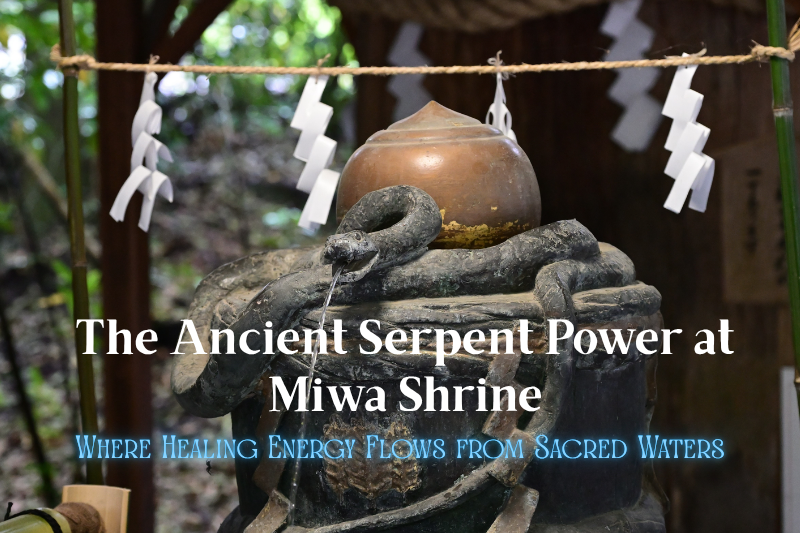
👉 Divine Thread #4│The Ancient Serpent Power of Miwa Shrine
An intuitive journey into the sacred energy and myth of Miwa’s ancient serpent.

コメント