
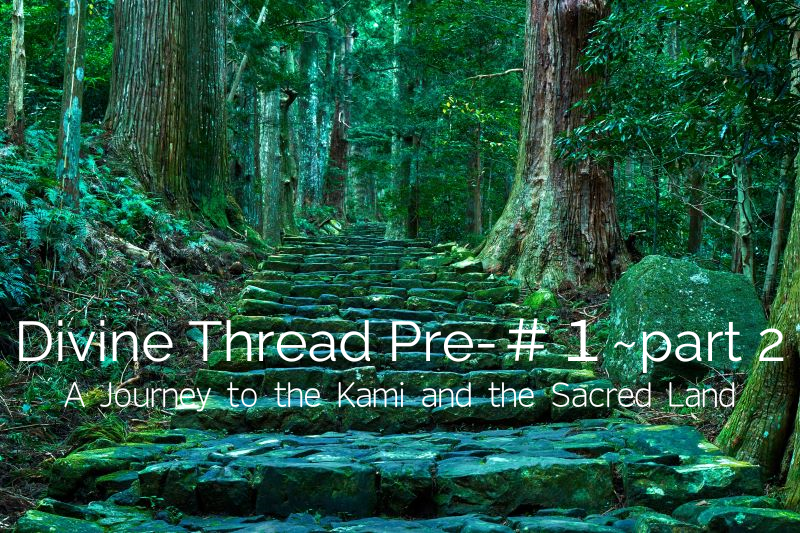
The Sacred Kumano Kodo Trails
🌳A Land Alive with Spirit – Why Place Matters
Shrines in Japan are not simply places to visit—they are where the land and the divine meet. Kami live not just in heaven, but in mountains, rivers, forests, and even in quiet corners of neighborhoods.
Every shrine, forest path, and stone marked with shimenawa holds potential for connection.
When people visit, it’s not as tourists, but as guests—coming to pay respect, to listen, and sometimes, to feel.
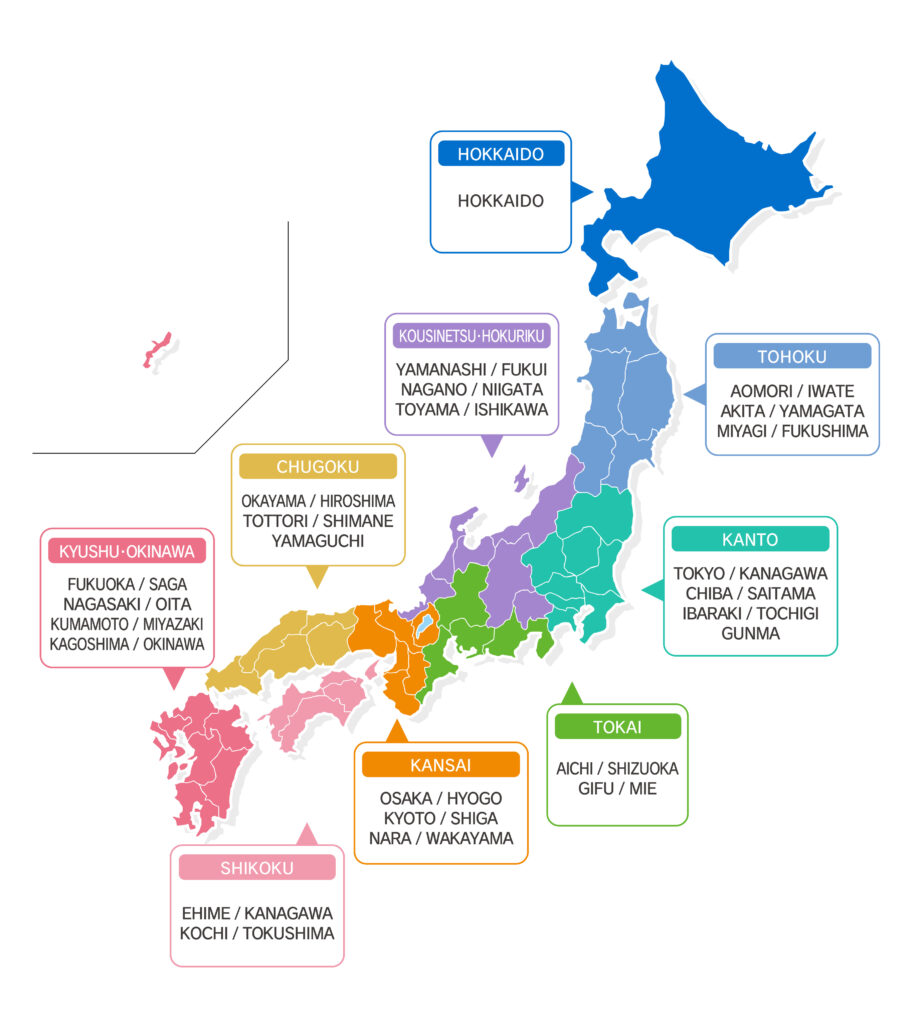
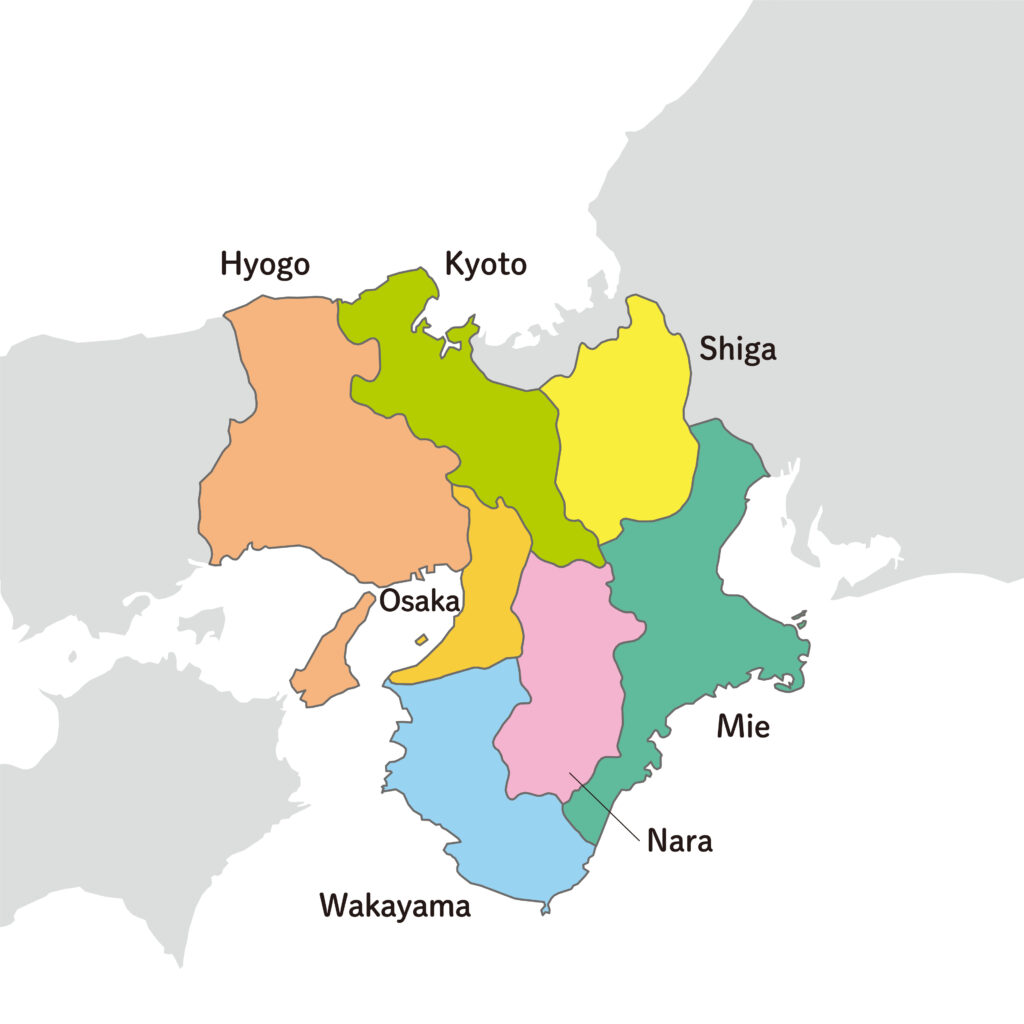
🏯 The Top 10 Most Visited Shrines in the Kinki Region
Before listing the shrines, it’s worth remembering that each person visits a shrine for different reasons. Some come seeking protection, others healing, clarity, or simply peace. Sometimes, it’s not about what you’re looking for—but what quietly finds you.
Shrines are more than tourist sites—they are places of presence, where you might feel something shift within, or recognize something long silent in yourself.
You might not have a clear idea of who or what kami are. Maybe historical associations with shrines feel complicated or even conflicted—that’s okay. Shrines can still be sacred spaces, if you allow them to be.
And if you simply want to walk around, enjoy the surroundings, or just feel the atmosphere—that’s perfectly okay, too.
This experience is yours. How you meet these places is up to you.
Also, if you already have your own spiritual tradition or a sense of connection with another divine presence, and feel that shrines are not your place—that’s completely valid, too.
Each of us resonates with different forms of the sacred, and what feels right is deeply personal.
Shrines have always been open places—maybe still are.
Perhaps the most visited shrines aren’t just popular—they might carry a resonance that calls to many.
With that in mind, according to various sources, including travel platforms like Japan-Guide, MATCHA, and Nippon.com, as well as official tourism statistics, the following are among the most visited and spiritually significant shrines in the Kansai (Kinki) region of Japan:
- Fushimi Inari Taisha 伏見稲荷大社 (Kyoto)
Famous for its endless rows of vermilion torii gates, this shrine to the rice and commerce deity Inari draws millions yearly. The 4km mountain path is both a physical and spiritual journey. - Yasaka Shrine 八坂神社 (Kyoto)
At the heart of the Gion Festival and home to Susanoo-no-Mikoto, this shrine is beloved for its role in warding off plagues and purifying negative energy. It’s open even at night, blending urban life and sacred space.(See Japan:Life&Spirit #2) - Shimogamo Shrine 下鴨神社 (Kyoto)
A World Heritage site and one of the oldest shrines in Kyoto, protecting the city since ancient times. It plays a major role in the Aoi Matsuri festival and enshrines nature deities. - Kamigamo Shrine 上賀茂神社 (Kyoto)
Together with Shimogamo, it guards the ancient capital. The thunder god Kamo Wakeikazuchi-no-Kami is worshipped here, with deep connections to purification rituals. - Ikuta Shrine 生田神社 (Hyogo – Kobe)
A vibrant shrine in the city center, said to be founded by Empress Jingu. The deity of love and renewal, Wakahirume-no-Mikoto, is especially beloved among women and couples. - Watatsumi(Kai) Shrine 海神社 (Hyogo – Kobe)
Also linked to Empress Jingu, this seaside shrine honors the god of the ocean. It’s a place of prayer for safe voyages and strength, deeply rooted in maritime culture. - Ōmiwa Shrine 三輪(大神)神社 (Nara – Miwa)
Possibly Japan’s oldest shrine, with no main building—because the sacred mountain, Miwa-yama, is the kami itself. A place of raw spiritual power and deep silence. - Kasuga Taisha 春日大社 (Nara – Nara Park)
Set in a deer-filled forest, this shrine is home to the ancestral deities of the powerful Fujiwara clan. Thousands of lanterns create a glowing path to the divine.(See Japan:Life&Spirit #1) - Kifune Shrine 貴船神社 (Kyoto – Sakyo Ward)
A secluded shrine to the water god, known for its divine springs and poetic atmosphere. Often visited for prayers of love, weather, and purification. - Jishu Shrine 地主神社 (Kyoto – inside Kiyomizu Temple)
A small but famous love shrine known for its “love stones” where visitors test romantic fate. Popular among young people and couples visiting Kiyomizu-dera.
🌙Where Kami and Heart Meet
I will introduce just a glimpse of some kami I feel personally connected to—each with a unique presence rooted in specific places. There are many more to explore, but these are a few of the closest who have walked with me.
☀️ Amaterasu – The Reflective Sun Goddess
Powerful and radiant, Amaterasu is Japan’s supreme deity—but she is also warm, inclusive, and deeply values harmony. She honors all deities, especially valuing the power of the divine feminine.
She revealed her wish to be enshrined in Ise to Yamatohime, a sacred priestess who searched for the right place. Later, she requested Toyouke no Ōkami to join her—saying she could not eat in peace alone.
Amaterasu is both a leader and a weaver of spirits, one who creates light through connection and respect. Her presence radiates dignity, thoughtfulness, and grace. (Learn more about her in Divine Thread #3)
🌪 Susanoo – The Storm God, Reborn as Protector
Initially known for his wild and stormy nature, Susanoo was cast down from heaven. But on earth, he changed.
In Izumo, he defeated the monstrous Yamata-no-Orochi, rescued a maiden, and became a beloved protector.
Worshipped across Japan—most notably at Yasaka Shrine in Kyoto—he is revered as a protector against illness, misfortune, and calamity.
In some traditions, his fierce yet purifying energy is compared to Fudō Myōō, the Buddhist guardian of immovable wisdom, who burns away obstacles with unwavering resolve.
Susanoo shows us that power and love can coexist—and that redemption can come through courage and compassion. (Learn more about him in Japan:Life&Spirit#2)
🌊 Munakata Three Goddesses
Tagitsu-hime, Hetsu-hime, and Ichikishima-hime—the Munakata Sanjojin—may be three forms of one powerful spirit.
Ichikishima-hime, in particular, is beloved as a goddess of beauty, abundance, water, and purification—and is often associated with Benzaiten. (Learn more about her in Divine Thread #1)
🌸 Konohanasakuya-hime & Iwanaga-hime
Konohanasakuya-hime is the cherry blossom goddess of Mt. Fuji, known for her luminous grace and connection to earthly life.
Her sister, Iwanaga-hime, goddess of stone and longevity, is often misunderstood—but some legends describe her as a kind spirit who loved nature and found joy in simplest things.
She carries a quiet strength and resilience that may not shine at first glance—but supports everything beneath. (Learn more about Konohanasakuya-hime in Divine Thread #2. There will be a future post for Iwanaga-hime.)
👑Empress Jingu – Warrior, Priestess, and Ocean-Blessed Queen
Empress Jingu (神功皇后) is a legendary figure who combined spiritual insight with fearless leadership. Deeply connected to the sea god Watatsumi, she is said to have received divine support during her overseas journey, calming storms through prayer and divine guidance.
Unlike many mythic deities, Jingu may have been a real historical figure, mentioned in early chronicles as a powerful regent and mother of Emperor Ōjin.
Leading an army while pregnant and safely giving birth upon her return, she is also worshipped today as a protector of women and safe childbirth—a symbol of strength, grace, and enduring faith.
(More on Empress Jingu in a future post.)
🏔How Kami Connect to Place – The Power of Location
Shrines are built in places where people sense sacred presence. Mountains, springs, forests, even roadside stones—kami are everywhere.
Powerful places like Ise, Kumano, and Kōyasan have been revered for centuries.
But even small neighborhood shrines hold meaning.
Follow what calls to you. Sometimes, the kami find you first.
In this series, we’ll also explore sacred temples—some known for their deep connection to dragons and ancient spiritual memory.
🌩Meeting the Gods, Meeting Yourself
These deities are not just figures from myth—they are reflections of beauty, chaos, healing, wisdom, and grace.
Some may feel familiar to you now. Others may call later.
This journey is not about belief—but connection.
If you feel nothing yet, that’s okay—your divine thread may be quietly waiting.
We’ll meet many more in the posts ahead—step by step, shrine by shrine, heart to heart.
🕊 Kaha’s Note
I’ve come to feel that the kami are always near—
not just in grand rituals or ancient myths, but in everyday moments.
Sometimes, a sign comes in the wind that rises just as you bow,
in sudden rain, a rainbow, the sound of thunder,
a butterfly fluttering by, or a small white feather at your feet.
You don’t have to look hard or be anyone special.
You just have to be open.
May you notice a little sign today—
something gentle, something just for you.
🌟 Now Available:
👉Divine Thread Pre-#1part 1│The Lineage of the Kami: A Gentle Introduction A beginning that traces the ancestral threads of Japan’s deities—how they connect with each other.
👉Divine Thread #3│The Sun Goddess, Amaterasu A look into the radiant spirit of Amaterasu—shining yet humble, powerful yet peaceful. A light that leads through connection.
👉 Rituals&Reveneces#1:Lunar Magic
Discover how to work with the phases of the Moon — and explore some helpful sites to guide your practice.
👉 Rainbow Awakening Messages: A Message from Amaterasu
A heart-opening message received during a visit to Ise Shrine
🧵 Explore more:
👉 Return HOME → http://8rainbow.work


コメント