
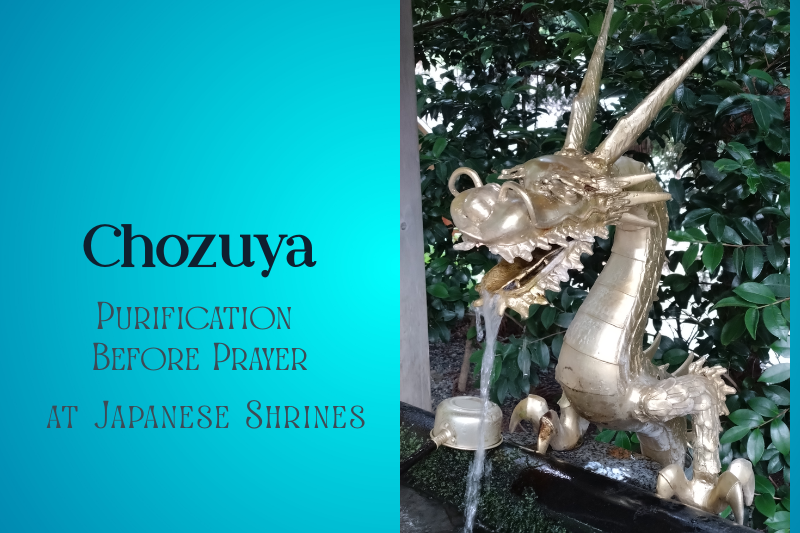
⛩️Lead-in
Before approaching the main hall of a Japanese shrine, visitors often pause at a small water pavilion known as a chozuya (temizuya).
Here, people quietly wash their hands and rinse their mouths using a wooden ladle. This simple act is more than a gesture of cleanliness. In Shinto tradition, it represents purification before prayer, a way of preparing both body and spirit before standing before the kami.
The sound of flowing water, the cool stone basin, and sometimes the presence of a dragon fountain all create a calm moment between the everyday world and the sacred space of the shrine.
While the purpose of a chozuya is always the same, each shrine expresses it differently. Some are simple and traditional, others feature elaborate dragon sculptures, and in recent years many shrines decorate the water basin with seasonal flowers known as hanachōzu.
In the following photos, we can see several examples of chozuya found at shrines across Japan—each reflecting a slightly different atmosphere of purification and quiet reflection.
🎥 Today’s Video
Experience a quiet moment of purification at a Japanese shrine.
👉Sacred Portal – from Nara │ Sacred Water at Omiwa Shrine
📷 Photo Gallery
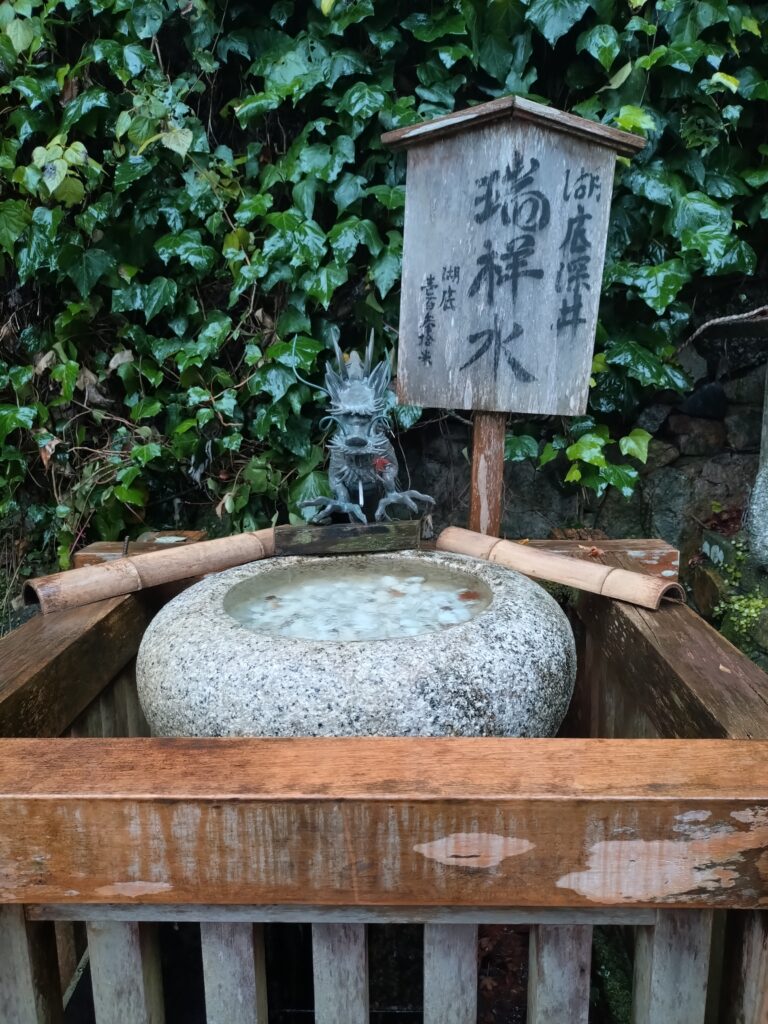
Chikubu Island – Sacred spring water used for purification

Yasaka Shrine (Tenkawa) – Golden dragon fountain

Yasaka Shrine (Tenkawa) – Chozuya purification basin

Tsukiyomi-no-miya (Ise)– A simple traditional chozuya
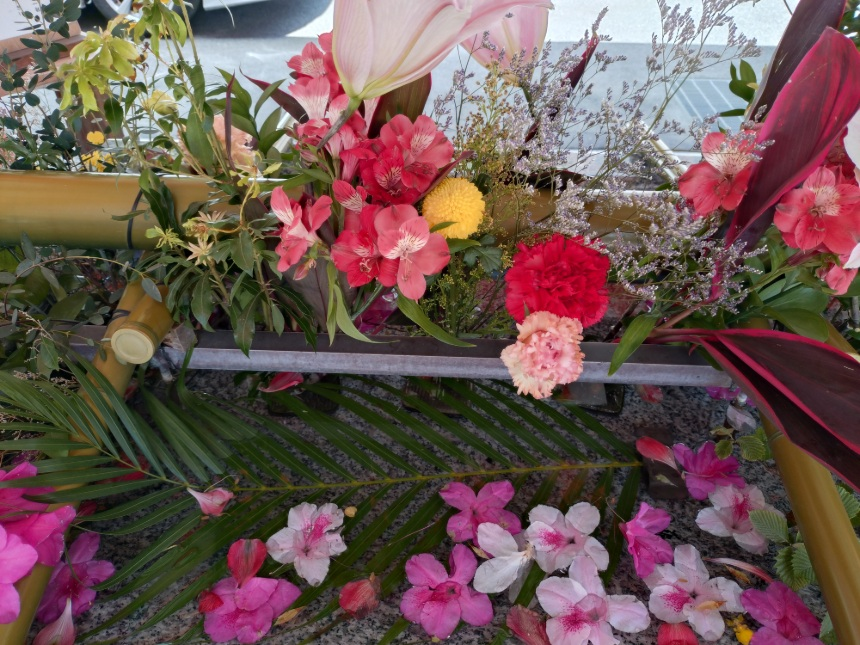
Ikuta Shrine (Kobe) – Hanachozu (flower purification basin)
🌿 The Meaning of Chozuya
At many Shinto shrines in Japan, visitors cleanse their hands and mouths at a chozuya before approaching the main hall. This act is known as temizu, a ritual purification that prepares both body and mind before prayer.
The practice reflects an important concept in Shinto: purity. In traditional belief, approaching the kami requires a state of spiritual cleanliness. Washing with water symbolically removes impurities from everyday life.
The process itself is simple but meaningful. Visitors take a wooden ladle, pour water over the left hand, then the right. After rinsing the mouth lightly, the ladle is cleaned before being returned.
Although many shrines today still provide ladles, some have replaced the traditional wooden ones with plastic or other materials for hygiene reasons. Even so, the idea of purification remains an essential part of shrine etiquette.
🐉 Dragons and Water in Shrine Symbolism
In many Japanese shrines, the water of a chozuya often flows from the mouth of a dragon statue. This is not merely decorative. In traditional belief, dragons are closely connected with water and are regarded as guardians of rivers, rain, and sacred springs.
Because purification rituals rely on clean and flowing water, the dragon naturally became a symbol associated with shrine basins. Water emerging from the dragon’s mouth represents a continuous source of purity, reminding visitors that the act of cleansing is both physical and spiritual.
Across Japan, chozuya dragons appear in many forms. Some are carved in stone, while others are cast in bronze or decorated in gold. Each shrine gives its dragon a slightly different expression, adding character and atmosphere to the purification space.
For visitors, the sight of a dragon quietly releasing water into the basin creates a moment of calm reflection. Before prayer begins, the gentle sound of flowing water and the presence of the dragon help mark the transition from the ordinary world to the sacred space of the shrine.
If you are interested in the spiritual meaning of dragons in Japanese belief, you may also enjoy reading about Ryujin, the dragon deity of water and the sea.
👉Read more:
🗾Japan: Life & Spirit #15 │ Ryujin: Japan’s Dragon Spirit Power
🌸 Hanachozu – A Modern Expression
In recent years, some shrines in Japan have introduced a beautiful variation of the chozuya known as hanachozu, or “flower purification.” Instead of plain water alone, the basin is decorated with seasonal flowers floating gently on the surface.
The custom is relatively recent and is believed to have first appeared at temples in Kyoto before spreading more widely across Japan.
This practice began to spread more widely during the pandemic, when many shrines temporarily removed ladles for hygiene reasons. Without the traditional purification ritual, some shrines sought a different way to create a meaningful and welcoming space for visitors.
The result was hanachozu. Colorful flowers such as chrysanthemums, camellias, and hydrangeas are arranged in the basin, transforming the chozuya into a quiet display of seasonal beauty.
While the symbolic meaning of purification remains, hanachozu also reflects another aspect of Japanese culture: the appreciation of nature’s fleeting beauty. Visitors often pause to admire the flowers before continuing to the shrine for prayer.
Today, hanachozu can be found at shrines across Japan, offering a gentle blend of tradition and creativity.
✨ Kaha’s Note
Although the chozuya is a small feature within a shrine, it holds an important meaning in the experience of visiting sacred places in Japan. The simple act of washing one’s hands and mouth represents a moment of pause between the everyday world and the spiritual space of the shrine.
Through flowing water, dragon fountains, and even seasonal flowers, the chozuya reminds visitors of the importance of purification, mindfulness, and respect before prayer.
Whether simple and traditional or beautifully decorated, these quiet water basins invite people to slow down for a moment. In that brief pause, the sound of water and the calm atmosphere help prepare the heart before approaching the kami.
In this way, the chozuya is not only a place for cleansing, but also a gentle introduction to the spirit of Shinto and the sacred rhythm of Japanese shrines.
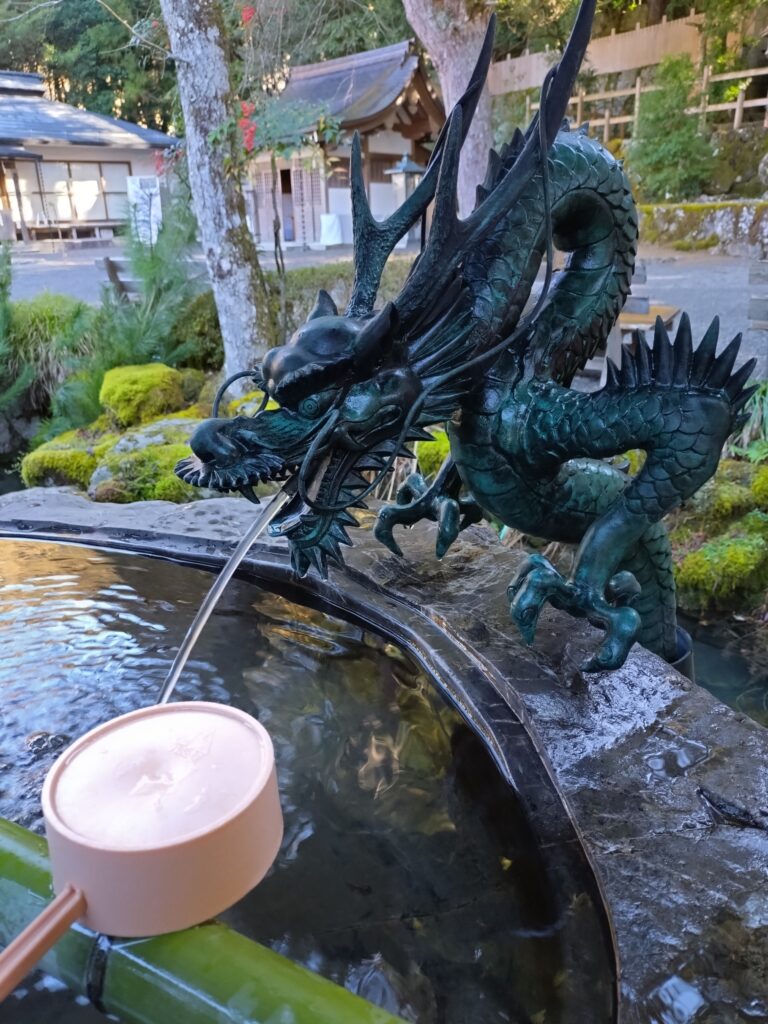
Sacred Dragon Fountain – Tenkawa Benzaiten Shrine, Nara
One of my favorite chozuya in Japan. In the quiet sound of flowing water, the spirit of purification continues to live in Japanese shrines.
🌈Explore More
If you enjoy discovering Japanese culture, spirituality, and everyday traditions, feel free to explore more articles on this blog.

コメント