

- 🧊 Lead-in
- ⛩️ A Shrine Born with the Ancient Capital
- 🙏 The Three Kami of Himuro Shrine
- 🌾 Ice, the Seasons, and Prayer
- 🍧 Offering Ice to the Kami
- 🎥 Watch the Ice Fortune Experience
- 🕯️When Ice Becomes Light — Kōri Kentō
- 🎭 Another Side of Himuro Shrine — Nanto Bugaku
- ❄️ Kenpyō-sai — The Ice Offering Festival
- 🌿Around the Shrine Grounds
- 🧭 Following the Story of Ice — A Future Journey to Tsuge
- ✨ Kaha’s Note
- 🌈 Explore More
🧊 Lead-in
In the summer heat of Nara, there is a shrine with a rather unexpected connection — ice.
Himuro Shrine (氷室神社) has watched over the tradition of ice for more than 1,300 years, dating back to the days of Japan’s ancient capital. Long before refrigerators existed, ice was carefully preserved through the winter and offered to the Imperial Court during the warmer months.
Today, that ancient connection can still be experienced in surprisingly tangible ways. Visitors can offer shaved ice to the kami before receiving it back to enjoy, discover their fortune by placing an omikuji on a block of ice, and even see ice transformed into glowing lanterns on special evenings.
On a hot summer day in Nara, I visited Himuro Shrine to discover how an ancient tradition of ice continues to live — not only as history, but as part of prayer, seasonal culture, and everyday life.
⛩️ A Shrine Born with the Ancient Capital
The story of Himuro Shrine begins in 710, the year Japan’s capital was established at Heijō-kyō, in present-day Nara.
According to the shrine’s history, a sanctuary was established by imperial order in the Kasuga area to protect the himuro — special ice chambers where ice collected during the cold season was stored for use during the warmer months.
The following year, in 711, the tradition of presenting ice to the Imperial Court began. From April through September, precious ice was brought to Heijō-kyō, a practice that continued for more than seventy years during the Nara period.
After the capital moved to Heian-kyō, present-day Kyoto, this system eventually came to an end. In 860, the shrine was transferred to its present location, where three kami came to be enshrined.
More than 1,300 years later, Himuro Shrine still preserves this remarkable connection between ice, the seasons, and prayer.
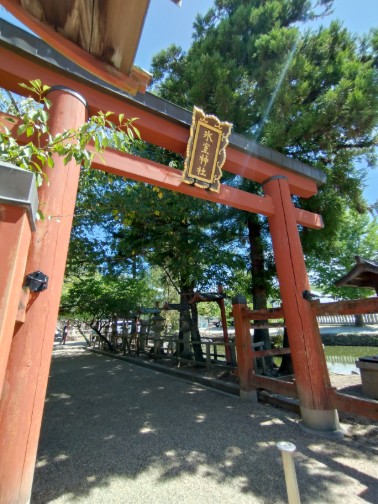
Entering Himuro Shrine, where Nara’s ancient tradition of ice has been preserved for more than 1,300 years.
🙏 The Three Kami of Himuro Shrine
Three kami are enshrined at Himuro Shrine, each connected with the ancient tradition of ice.
Ōsasagi no Mikoto (大鷦鷯命), Emperor Nintoku
is revered here as the kami who established the ceremonial tradition of offering ice.
Tsuge no Inagi Ōyamanushi no Mikoto (闘鶏稲置大山主命)
is associated with teaching the use of natural cold, establishing the himuro, and developing techniques for preserving ice.
Nukata no Ōnakatsuhiko no Mikoto (額田大仲彦命)
is revered for bringing knowledge of ice preservation to the Imperial Court.
Together, their stories reflect something remarkable: long before modern refrigeration, the gathering, preservation, and use of ice had already become part of both practical life and sacred tradition in Japan.
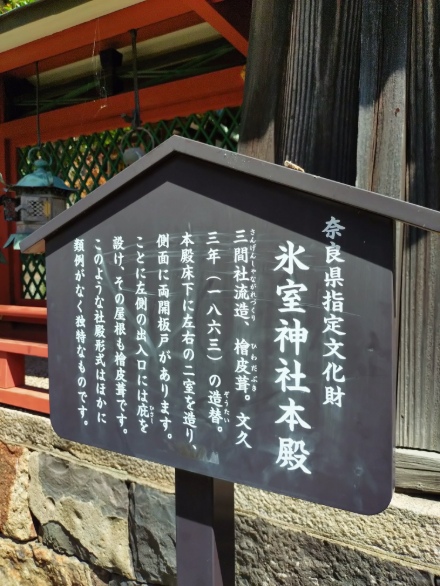
The honden of Himuro Shrine is designated as a Cultural Property of Nara Prefecture. The present structure dates to 1863.
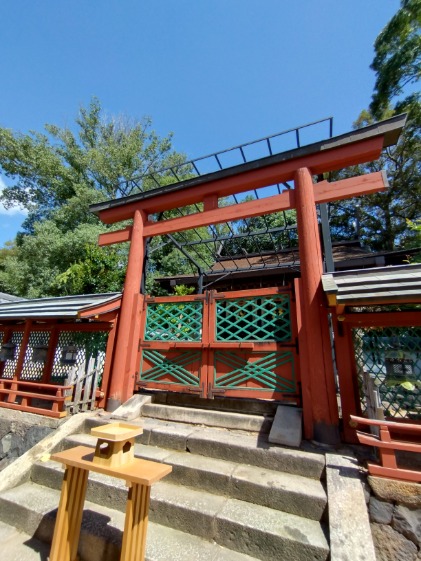
The honden (main sanctuary) of Himuro Shrine, where the three kami are enshrined.
🌾 Ice, the Seasons, and Prayer
In ancient Japan, ice was connected not only with keeping things cool, but also with the rhythm of the seasons, prayer, and hopes for a good harvest.
Traditionally, the first day of the sixth month of the lunar calendar was known as Kōri no Tsuitachi (氷の朔日) — the First Day of Ice. At the Imperial Court, ceremonies known as the Ice Festival and the Himuro Festival were observed. Among ordinary people, there was also a custom of roasting preserved rice cakes called kan-mochi and kōri-mochi, offering them to the kami and Buddhist deities, and then eating them.
Ice even played a role in reading the year ahead. On New Year’s Day, the Imperial Court observed a custom called Hi no Tameshi (氷様 / ひのためし). The thickness of the ice stored in himuro around the country during the previous December was reported to the court, using stone or tile samples made to show its thickness. Thick ice was regarded as a sign of a plentiful year, while thin ice was considered a sign of a poor harvest.
It is a fascinating reminder that ice was once connected with something much larger than summer refreshment. The cold of winter, the arrival of summer, the weather, the harvest, and human life were all part of the same seasonal cycle.
🍧 Offering Ice to the Kami
The ancient tradition of offering ice is not simply something preserved in the history of Himuro Shrine. During the summer, visitors can take part in a modern form of this tradition themselves.
From June 1 through August 31, the shrine offers kakigōri made from pure ice for visitors to present to the kami. After receiving the shaved ice at the shrine office, it is placed on a sanbō, a traditional offering stand, in front of the worship hall. Visitors then offer their prayers before the ice is received back as tessen (撤饌) — an offering that has been presented to the kami and is then shared as a sacred gift.
One of the prayers associated with this offering is nanmon hyōkai (難問氷解) — a playful expression meaning that difficult problems may “melt away,” just as ice melts. 🧊
After the prayer, the shaved ice can be enjoyed with syrup available beside the shrine office. On a hot summer day in Nara, this makes the experience both refreshing and surprisingly meaningful: first an offering to the kami, and then a cool blessing to enjoy.
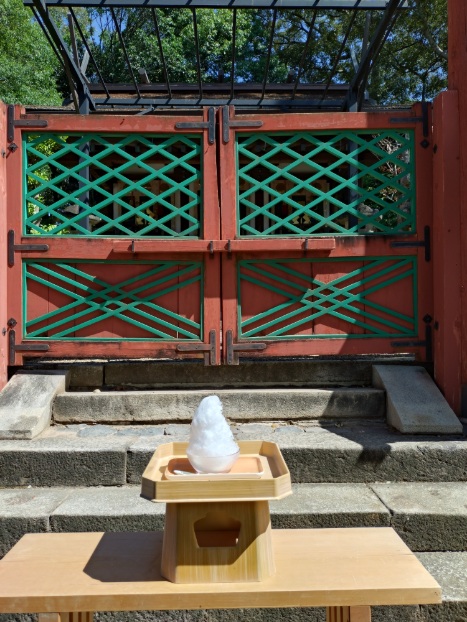
Shaved ice presented as an offering to the kami before the main sanctuary.
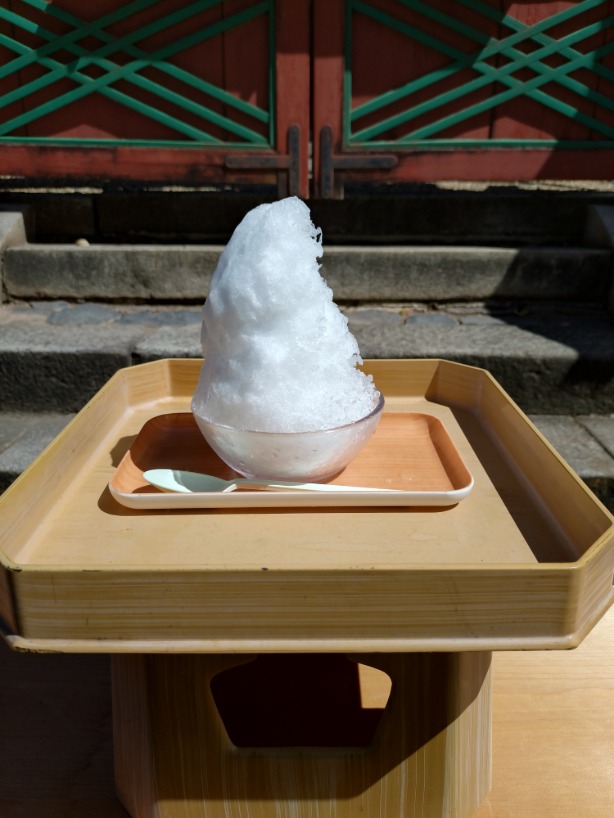
Pure shaved ice offered to the kami before being received back as a blessing.
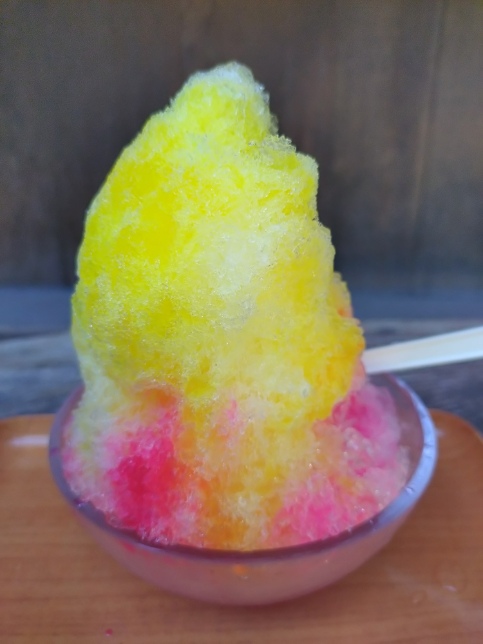
After the offering and prayer, the kakigōri can be enjoyed with syrup.
🎥 Watch the Ice Fortune Experience
I put together a short video showing the Ice Fortune experience at Himuro Shrine, with photographs of the setting and the omikuji, along with a short clip of the moment the hidden characters appear on the ice.
The video also includes photographs and moments that are not shown in this article, so if you would like to see more of this unique summer experience, please enjoy the video below.
🎥 Watch the Ice Fortune experience at Himuro Shrine 👉https://youtube.com/shorts/3Vdh0vq5pvs
Several syrups were available, and I chose two different flavors to add a little color to the pure white ice. The kakigōri itself was very simple, but perhaps that was part of what made the experience feel so special.
Sitting within the shrine grounds and enjoying the ice after first offering it to the kami felt different from simply having shaved ice on a hot summer day. There was something quietly meaningful — and deeply appreciated — about receiving and enjoying it in this sacred place.
🕯️When Ice Becomes Light — Kōri Kentō
Ice at Himuro Shrine is not only offered in prayer or used to reveal fortunes. On the first day of each month, it can also become light.
At sunset, candles are lit inside lanterns made of ice, creating the shrine’s Kōri Kentō (氷献灯). Except on January 1, the illumination generally continues from sunset until around 9:00 p.m., although the number of ice lanterns may vary depending on the production and availability of ice.
There is something beautiful about the idea itself — ice, something so temporary, holding a small flame within it. As the evening grows darker, the glowing ice lanterns create an atmosphere quite different from the shrine I experienced beneath the bright summer sun.
I haven’t yet visited Himuro Shrine during Kōri Kentō, but after discovering this tradition, I would love to return one evening and see the ice illuminated for myself.
🎭 Another Side of Himuro Shrine — Nanto Bugaku
Himuro Shrine has another fascinating history that may seem unexpected at a shrine so closely associated with ice — Nanto bugaku, the ancient tradition of court music and dance preserved in Nara.
Until 1870, Himuro Shrine was home to the Nanto-gata Gakusho (南都方楽所), which played an important role in passing down the tradition of bugaku in Nara. Following the Meiji Restoration, musicians from the three traditions of Nara, Osaka, and Kyoto were called to the Imperial Court, where their music and dances were gradually unified. This heritage is connected to the gagaku tradition performed by the Imperial Household today.
Beside the main sanctuary stands a small subsidiary shrine called Mukō-sha (舞光社). It enshrines the spirit of Koma no Mitsutaka Sukune (狛光高宿禰), a Heian-period musician renowned as a master of gagaku and bugaku and revered as an ancestral figure of the Nanto musicians.
The Important Cultural Property bugaku mask Ryō-ō (陵王) was once kept in this small shrine. Today, Mukō-sha is revered as a place to pray for success and growth in the arts and learning.
Perhaps most beautifully, Himuro Shrine’s traditions of ice and bugaku still come together today. During the annual Kenpyō-sai (献氷祭), the Ice Offering Festival, bugaku is performed as part of the festivities — carrying both traditions into the present day.
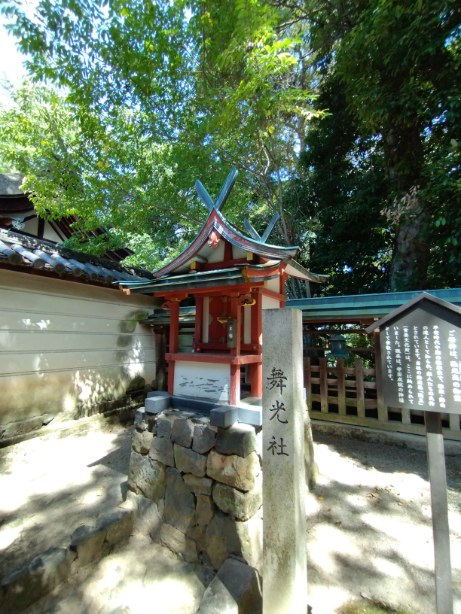
Small but deeply connected to Nara’s performing-arts tradition — Mukō-sha (舞光社), dedicated to Koma no Mitsutaka Sukune and revered today for success in the arts and learning.
❄️ Kenpyō-sai — The Ice Offering Festival
The ancient tradition of offering ice continues today in one of Himuro Shrine’s most important annual events, the Kenpyō-sai (献氷祭), or Ice Offering Festival, held on May 1.
Ice makers and sellers from across Japan gather at the shrine to pray for prosperity in their businesses for the year ahead. Two large pillars of ice containing sea bream and carp — representing the bounty of the sea and the countryside — are offered to the kami, along with beautifully decorated flower-filled ice.
The festival also includes bugaku performances and the serving of kakigōri, bringing together several of the traditions that have shaped Himuro Shrine over the centuries.
What began as an ancient relationship between ice, the seasons, and prayer continues in a different form today — connecting a centuries-old tradition with the people who still work with ice in modern Japan.
🌿Around the Shrine Grounds
Beyond its traditions of ice, Himuro Shrine has a quiet and peaceful atmosphere that invites you to slow down and look around.
Small subsidiary shrines, old stone lanterns, and little details can be discovered throughout the grounds. Beside the pond, I found a stone lantern decorated with a carved deer — a lovely reminder that the shrine stands right beside Nara Park.
Despite its location close to some of Nara’s most visited landmarks, there are little corners here that feel surprisingly calm.
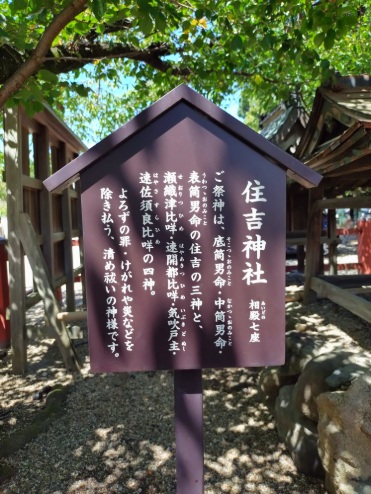
Sumiyoshi Shrine — the Sumiyoshi deities are revered as kami of purification.
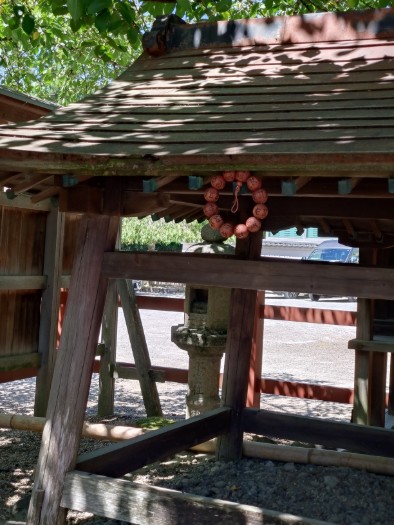
Just inside the entrance, opposite the chozuya (temizuya), stands Sumiyoshi Shrine, dedicated to kami associated with purification. Its location felt especially fitting — a small reminder of purification before continuing toward the main sanctuary.
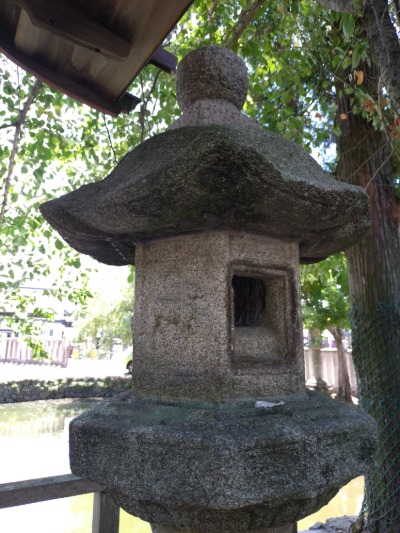
A stone lantern beside the pond — look closely and you’ll find a deer carved into the stone, a charming little detail in Nara.
🧭 Following the Story of Ice — A Future Journey to Tsuge
While learning about the history of Himuro Shrine, I discovered that the story of ice in ancient Japan leads even further into Nara.
The Nihon Shoki, one of Japan’s oldest chronicles, tells a story connected with Tsuge, in present-day Tenri. According to the account, Prince Nukata no Ōnakatsuhiko encountered a himuro there and learned how ice could be stored through the winter and preserved for use in the warmer months. The ice was later presented to Emperor Nintoku, beginning a tradition of offering ice to the Imperial Court.
Today, traces of this story remain in the Tsuge area of Tenri, where a reconstructed ancient ice chamber can be seen.
After visiting Himuro Shrine and learning more about its history, I became curious about this earlier chapter of the story too.
Perhaps one of my next journeys in Nara will be to Tsuge — following the story of ice back toward its ancient beginnings.
✨ Kaha’s Note
My Ice Fortune was suekichi (末吉) — a small blessing — but the message written on it was actually quite encouraging.
For my wish, it said:
“It will come true in an unexpected way.”
I liked that. Rather than wondering too much about how or when it might happen, I think I’ll simply wait and see what unexpected path it may take. 🧊✨
I had stopped by Himuro Shrine once before, when the cherry blossoms were beautiful, but at that time I didn’t venture as far as the main sanctuary.
Returning this summer felt quite different. The more I learned about the shrine — its ancient relationship with ice, the traditions that have continued through the centuries, and the stories hidden around its grounds — the more meaningful the visit became.
Sometimes, knowing a little of the history behind a sacred place changes the way we experience it. What might once have been a brief stop becomes somewhere we want to slow down, look more closely, and appreciate in a different way.
And there is still one experience waiting for me here.
One day, I would love to return around sunset for Kōri Kentō (氷献灯), when candles glow inside lanterns made of ice. I imagine Himuro Shrine illuminated by ice and candlelight must feel completely different from the bright summer shrine I visited this time.
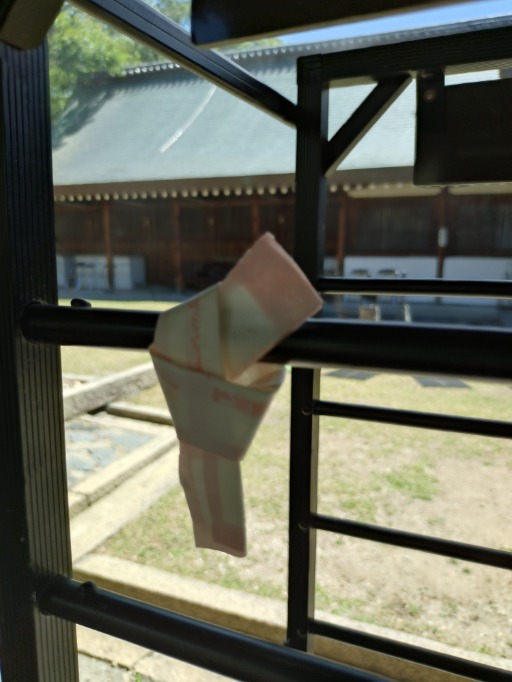
Leaving my Ice Fortune at Himuro Shrine — and waiting to see what the unexpected may bring.
🌈 Explore More
Discover more sacred places, Japanese traditions, seasonal stories, and everyday discoveries throughout Rainbow Awakening.


コメント