

🍵Lead-in
In Japan, tofu is more than just a simple food.
It has long been a quiet and familiar part of daily life — light, nourishing, and gentle on the body.
Made from soybeans and water, tofu reflects a food culture that values balance, simplicity, and natural nutrition.
Rather than being heavy or complex, it offers a calm and healthy way of eating that easily fits into everyday meals.
For many people outside Japan, tofu may appear plain at first.
However, in Japanese life, its simplicity is exactly what makes it special — a reliable source of nourishment that supports both health and daily well-being.
🌱 What Is Tofu Made From?
Tofu is made primarily from soybeans, water, and a natural coagulant.
First, soybeans are soaked, ground, and heated to produce soy milk.
Then, a coagulant such as calcium sulfate or magnesium chloride (nigari) is added to gently solidify the soy milk into soft curds.
These curds are pressed into blocks, creating the tofu commonly eaten in Japan and around the world.
Its simple ingredients are one reason why tofu is widely appreciated as a natural and wholesome food.
🧬 Nutritional Benefits of Tofu
Tofu is often valued as a gentle source of plant-based protein.
It contains essential amino acids, making it a balanced protein option for daily meals.
Depending on the preparation, tofu can also provide:
- Calcium
- Iron
- Magnesium
- Isoflavones (natural compounds found in soy)
Nutritional research suggests that soy-based foods like tofu may support heart health and help maintain healthy cholesterol levels when included as part of a balanced diet.
Because tofu is low in saturated fat and easy to digest, it is often considered a light and body-friendly food.
In traditional Japanese diets, tofu has been quietly associated with longevity and balanced nutrition for generations.
🍽️ How Tofu Is Used in Japanese Daily Life
One of the greatest strengths of tofu is its versatility.
Its mild taste allows it to blend naturally into many dishes without requiring complex cooking skills.
In Japan, tofu is not treated as a luxury food,
but as a simple and reliable ingredient used in everyday meals.
Tofu can be easily adapted into various dishes, from simple meals to hearty home cooking.
🍃 1. Hiyayakko (冷ややっこ) – Simple Cold Tofu
A very traditional and refreshing way to eat tofu in Japan is hiyayakko (冷ややっこ).
Fresh tofu is served chilled and topped with soy sauce, green onions, or grated ginger.
It takes less than one minute to prepare and offers a light, calming taste that many people find surprisingly comforting.

Hiyayakko (冷ややっこ), a simple and refreshing way to enjoy tofu in Japan.
🍲 2. Quick Miso Soup with Tofu (Easy Daily Method)
A simple way to include tofu in daily life is by adding it to miso soup.
Today, instant miso soups — especially paste-type ones — are widely available and easy to use.
You can dissolve the miso in hot water, gently heat it in a small pot, and add tofu and seaweed.
In just a few minutes, this creates a warm and nourishing meal.
While miso soup may be an acquired taste for some people,
many international visitors quickly grow to love its gentle and comforting flavor.

Japanese miso soup with tofu and seaweed in a traditional bowl
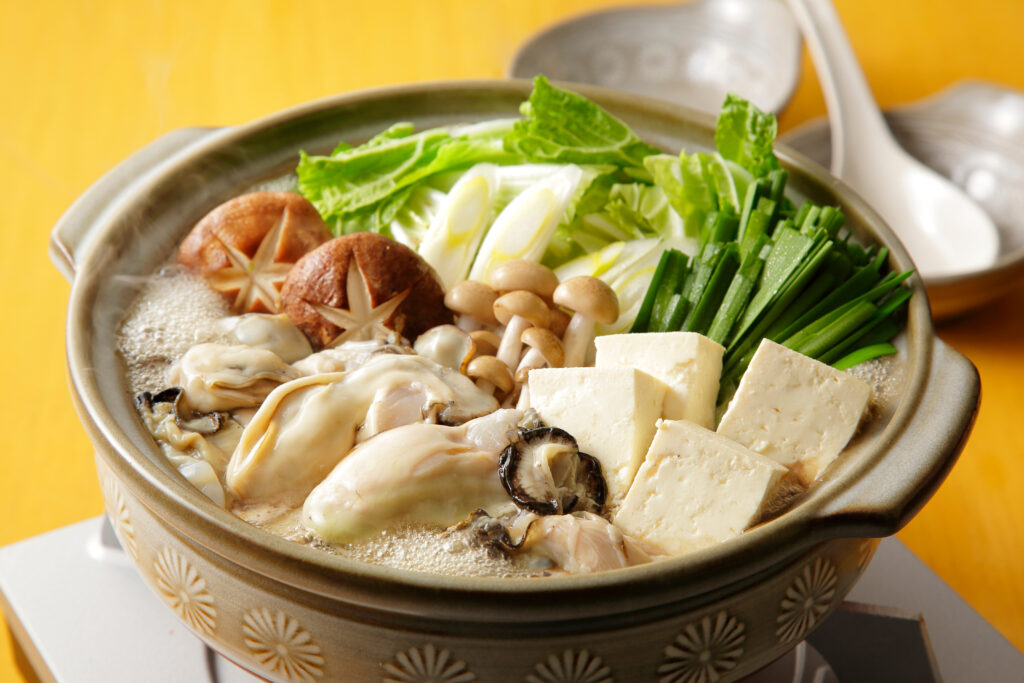
Tofu in warm dishes such as soups and hot pot is a common part of Japanese home cooking.
🍳 3. Simple Tofu Steak (豆腐ステーキ) – Light and Low-Calorie
Tofu steak (豆腐ステーキ) is another easy and healthy option.
After lightly draining the tofu, it can be seasoned with salt and pepper, gently coated with potato starch, and slowly pan-fried until the surface becomes golden and slightly crispy.
Adding a small amount of soy sauce enhances the flavor while keeping the dish simple and balanced.
Other popular tofu dishes in Japan include mapo tofu rice bowls (麻婆丼) and agedashi dofu (揚げ出し豆腐), a lightly fried tofu served in a savory broth.

Mapo tofu rice bowl(麻婆丼)

Agedashi tofu (揚げ出し豆腐), a lightly fried tofu served in a savory broth
🌍 Easy Cooking Tip for Beginners ✨
For those who are curious to explore further,
you can easily find beginner-friendly recipes online by searching terms like
“tofu hamburger (豆腐ハンバーグ),” “tofu steak (豆腐ステーキ),” or “easy tofu recipes.”
Many of these dishes are simple to prepare and naturally create a balanced and satisfying taste without complicated techniques.
🏺 A Brief Cultural History of Tofu
Tofu is believed to have originated in ancient China over 2,000 years ago.
According to historical records and culinary traditions, tofu was discovered when soy milk was accidentally curdled using natural coagulants such as minerals similar to nigari.
Over time, tofu became an important part of Chinese cuisine and later spread across East Asia.
It is thought that tofu was introduced to Japan around the Nara and Heian periods, likely through Buddhist culture and temple cuisine.
Because it was plant-based and nutritious, tofu became especially valued in shojin ryori (traditional Buddhist vegetarian cooking).
Today, tofu is widely used not only in China but also in Japan, where it has developed its own unique place in daily meals.
In Japan, tofu is enjoyed in simple dishes such as miso soup and hiyayakko, while Chinese-inspired dishes like mapo tofu (麻婆豆腐) are also very popular as everyday home cooking.
Through this long cultural journey from China to Japan, tofu has remained a simple yet meaningful food, quietly supporting daily nourishment across generations.
🍶 A Personal Experience with Traditional Tofu Making
Some years ago, I had a memorable opportunity to attend a tofu-making class at a shojin (Buddhist vegetarian) restaurant together with a friend from the UK.
The class carefully followed traditional methods, starting with soaking organic soybeans from the day before, then making fresh soy milk, yuba, and finally tofu.
During the class, I was also told that yuba (a thin film that forms on the surface of soy milk) can be made at home in a simple way.
By gently heating store-bought soy milk in a shallow pan or on a hot plate, a thin layer forms on the surface, which can be carefully lifted to enjoy as fresh yuba.
At the time, I joined partly as an interpreter for my friend and partly as a participant.
Looking back now, I realize how rare and valuable that experience truly was.
If I were to attend the same lesson today, I feel I could appreciate and learn from it even more deeply.
The restaurant staff gently explained that although making tofu takes time and care, it is something that can be prepared at home with patience and good ingredients.
Today, I sometimes make simple homemade tofu using a small soy milk machine.
By preparing fresh soy milk and adding nigari, it is possible to create soft “oboro tofu” in a very simple way. Oboro tofu (おぼろ豆腐) is a softly set tofu with a delicate, almost creamy texture, often enjoyed fresh for its gentle natural flavor.
Because the process is gentle and the ingredients are minimal, it is surprisingly easy to incorporate into daily life.
When organic soybeans are used, the flavor becomes richer and more naturally delicious, which makes the experience even more enjoyable.
🌸 Kaha’s Note
Beyond its nutritional value, tofu represents a quiet aspect of Japanese living — simplicity, balance, and gentle nourishment.
Rather than being rich or heavy, it offers a calm way of eating that supports both body and mind in everyday life.
Its soft texture, mild flavor, and natural ingredients make it easy to incorporate into daily meals, even outside Japan.
In this sense, tofu can be seen not only as a healthy food,
but also as a quiet reflection of the Japanese lifestyle —
simple, mindful, and in harmony with daily well-being.
My experience with traditional tofu making also reminded me that it is a gentle craft, quietly connecting tradition, patience, and everyday nourishment.
🌈Explore more
If you feel inspired to explore more reflections on Japanese life, culture, and gentle daily living,
you are warmly welcome to continue here.
🏡 Return HOME


コメント