
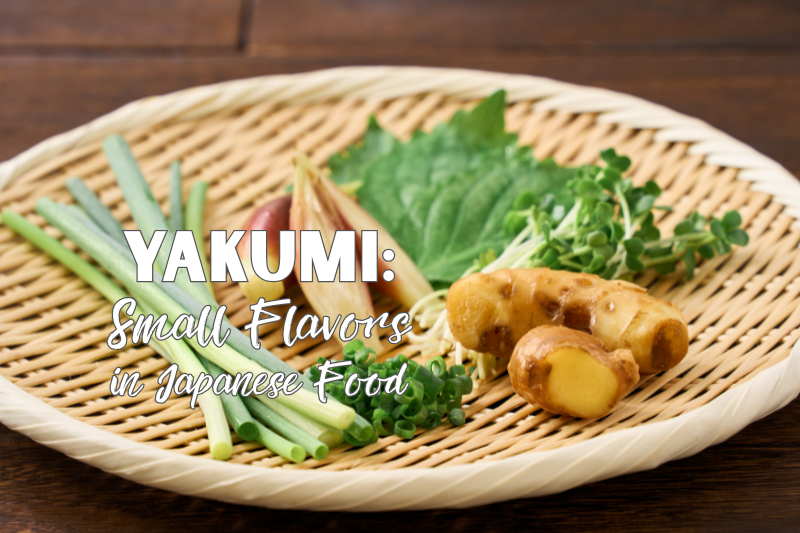
🌿 Lead-in
In Japanese food culture, even the smallest ingredients can quietly transform a meal.
A little fresh ginger beside or on top of cold tofu.
Green onion floating over warm noodles.
A touch of wasabi with sushi or sashimi.
The refreshing aroma of myoga on summer somen.
These small additions are called yakumi — ingredients added in small amounts to bring out flavor, fragrance, freshness, and seasonal feeling.
🌱 What Is Yakumi?
Yakumi (薬味) refers to aromatic vegetables, herbs, spices, and other ingredients added in small amounts to enhance a dish.
In Japan, yakumi are appreciated not only for flavor,
but also for the many subtle qualities they bring to food and daily life.
Some add freshness and fragrance.
Some help reduce strong smells in fish or meat.
Others are believed to support digestion, stimulate appetite, warm the body, help support wellness, or create a refreshing feeling.
The word yakumi itself is sometimes said to have roots connected to medicinal herbs and supportive ingredients used in traditional healing practices.
Even today, yakumi remain a quiet but important part of Japanese cooking.
🍃 Common Yakumi in Japanese Food
Many types of yakumi appear throughout Japanese daily meals.
Some of the most familiar include:
- Green onion (negi)
- Ginger (shoga)
- Shiso leaves
- Myoga ginger
- Wasabi
- Yuzu
- Grated daikon radish
Each ingredient brings its own fragrance, texture, color, and seasonal feeling.
🌿 Green Onion (Negi)
Green onion is one of the most familiar yakumi in Japanese daily life.
It is often added to noodles, tofu, natto, soups, and many other home-style dishes.
Its fresh aroma and mild sharpness gently brighten the flavor of a meal without overpowering it.

Green onions (negi) are one of the most familiar yakumi in Japanese cooking, adding freshness, gentle sharpness, and bright color to many everyday dishes.

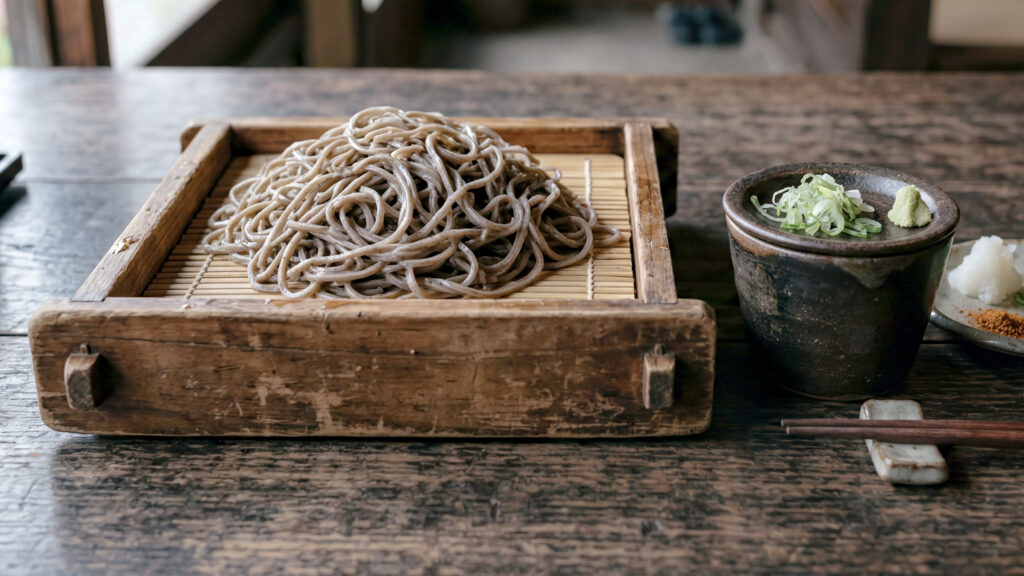
Finely sliced negi are often added to udon and soba, where their crisp flavor balances warm broth and noodles. They are also commonly used with tofu, grilled meats, and simmered dishes.

In simple meals, even a small handful of fresh negi can completely change the feeling of a dish — bringing lightness, aroma, and a sense of warmth to the table.
🌿 Ginger (Shoga)
Fresh ginger is often served with tofu, noodles, and various other dishes.
Its refreshing sharpness brings warmth and balance to simple meals.

Fresh ginger (shoga), a widely used yakumi in Japanese cooking.

Hiyayakko (cold tofu) topped with ginger, green onion, and bonito flakes.
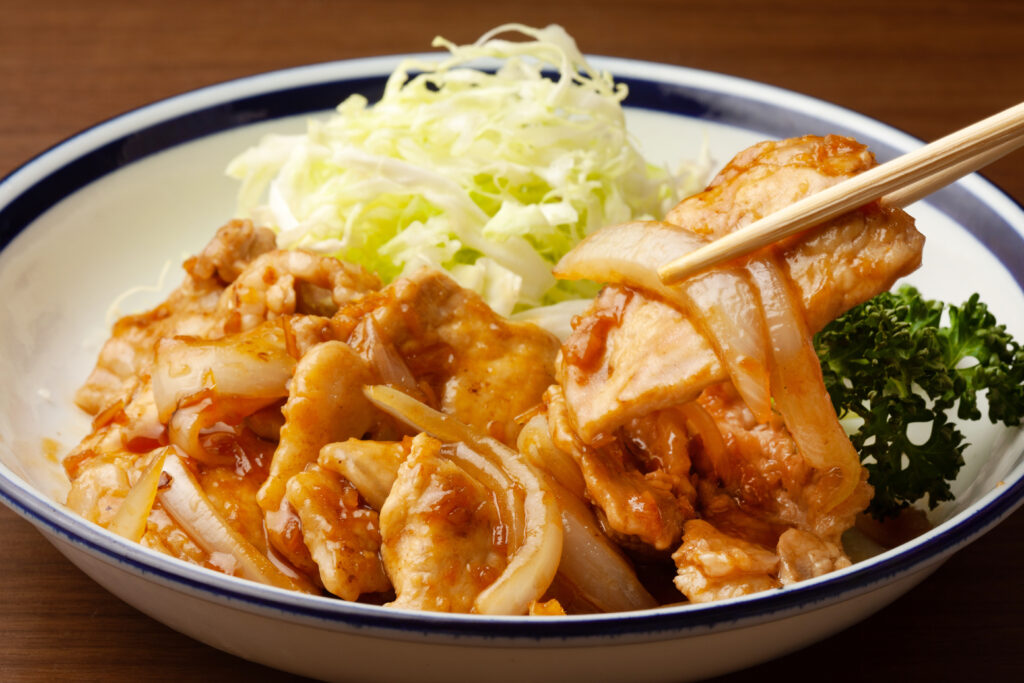
Ginger pork (shogayaki), a popular Japanese home-style dish flavored with fresh ginger.
🌿 Shiso Leaves
Shiso leaves have a fresh and slightly cooling fragrance that is deeply connected to Japanese summer meals.
They are commonly served with sashimi, used in shiso-wrapped grilled chicken, or added to noodles and simple dishes for freshness and color.
Their unique aroma quietly brings a seasonal feeling to the table.
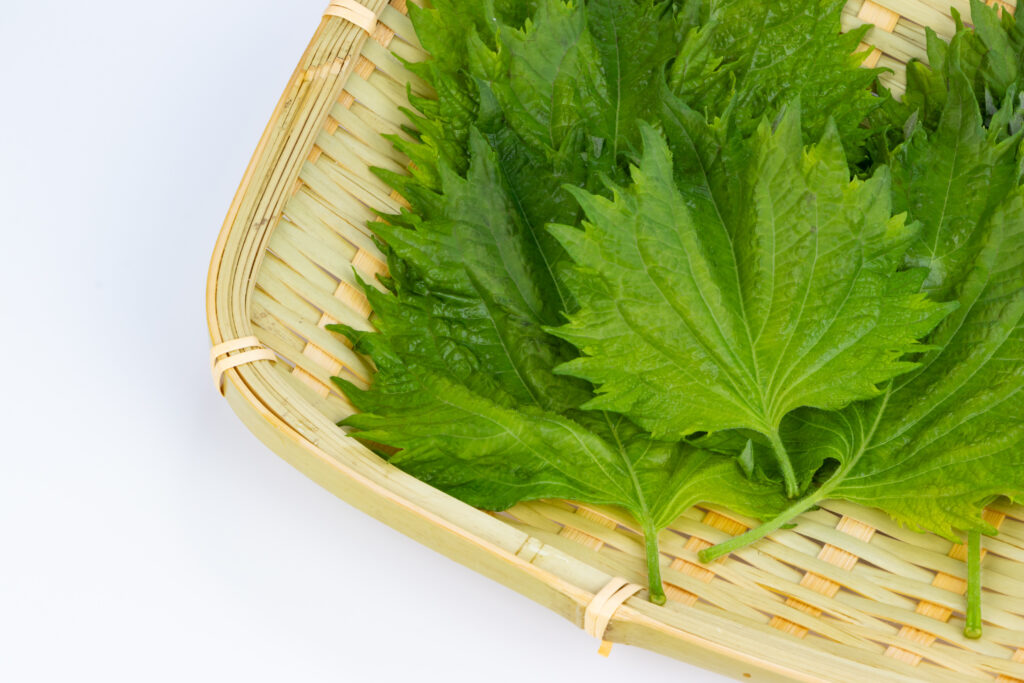
Fresh shiso leaves (aojiso), known for their refreshing aroma and vibrant green color.
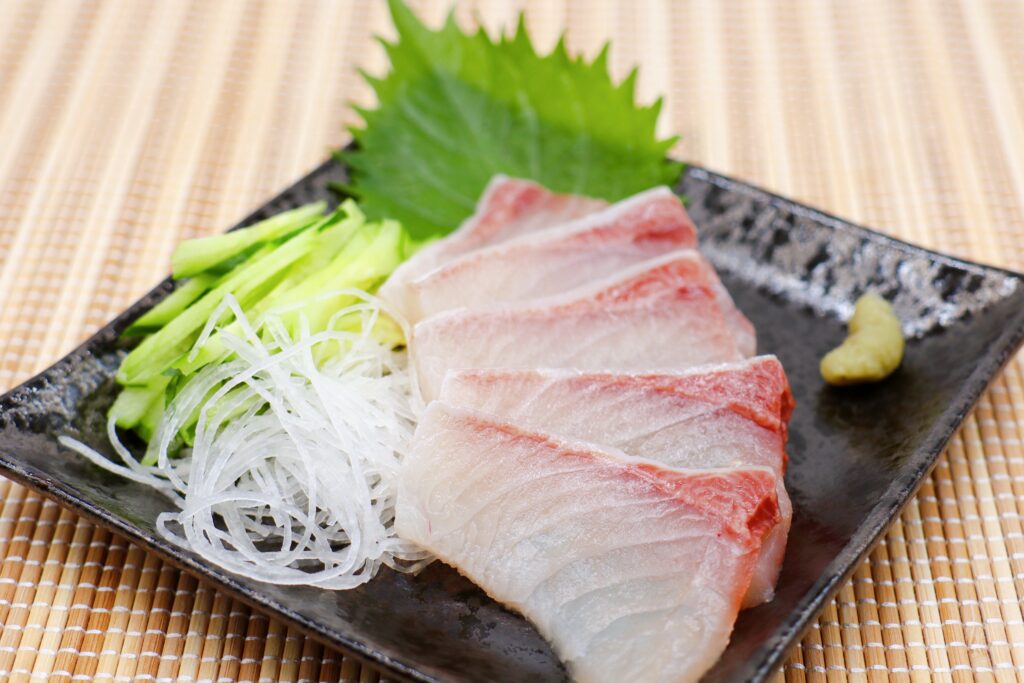
Shiso is often served with sashimi, adding freshness and helping balance the flavor of raw fish.
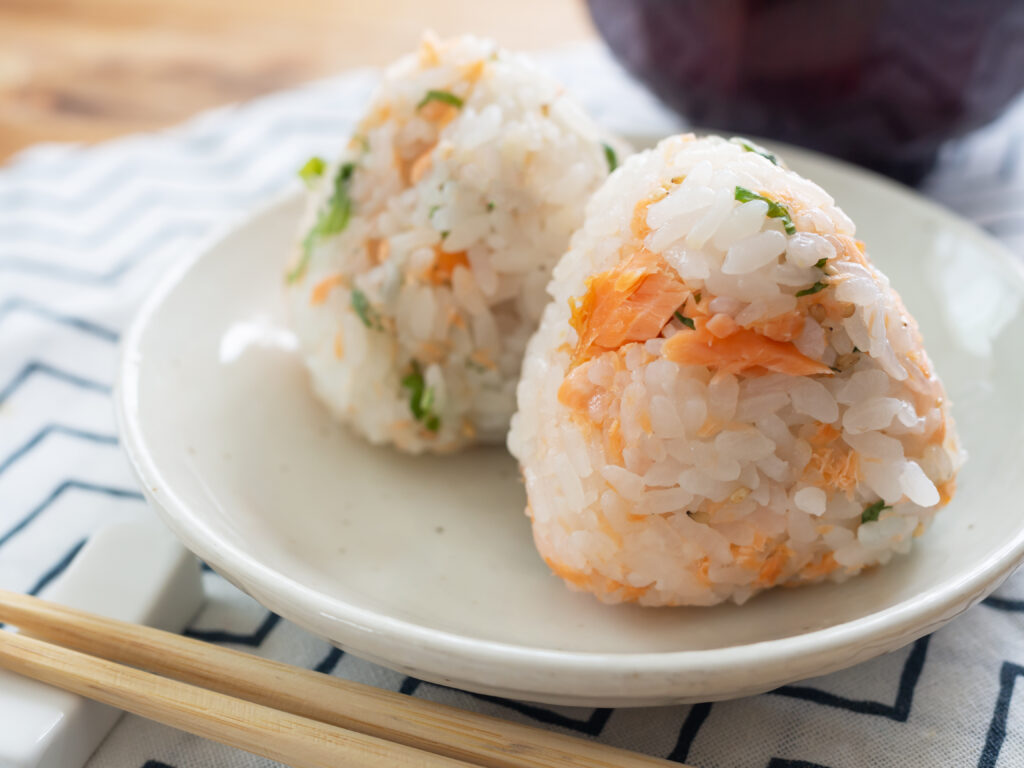
Shiso can also be mixed into rice or onigiri, bringing a light herbal fragrance to simple everyday meals.
🌿 Myoga
Myoga is especially popular during summer in Japan.
Its crisp texture and refreshing aroma pair beautifully with somen noodles.
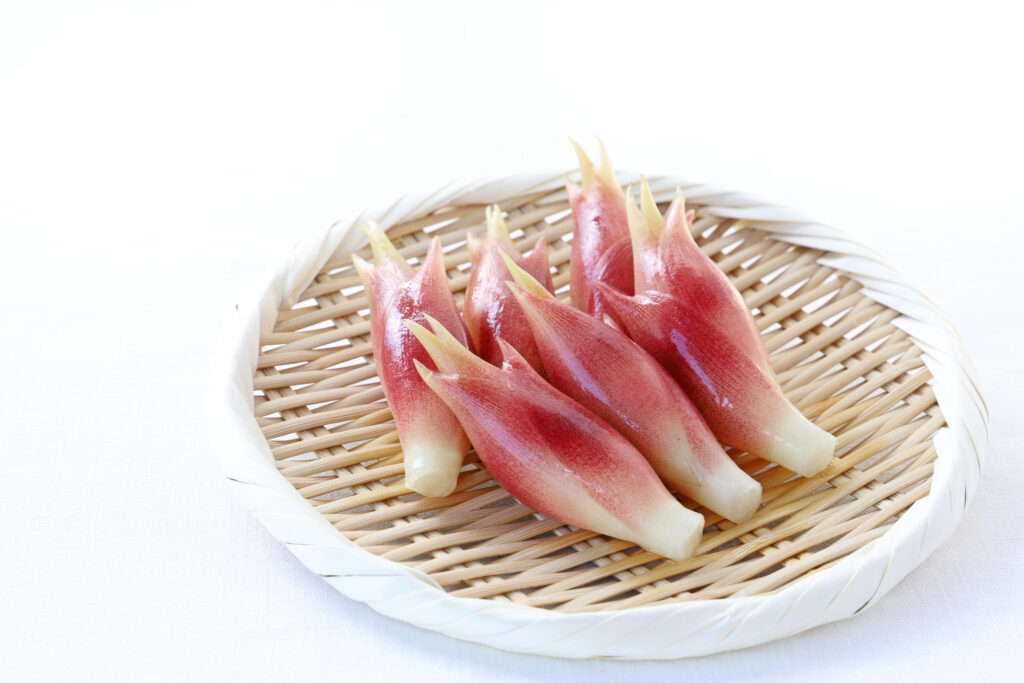
Fresh myoga ginger, known for its crisp texture and refreshing aroma, is especially popular during the Japanese summer season.
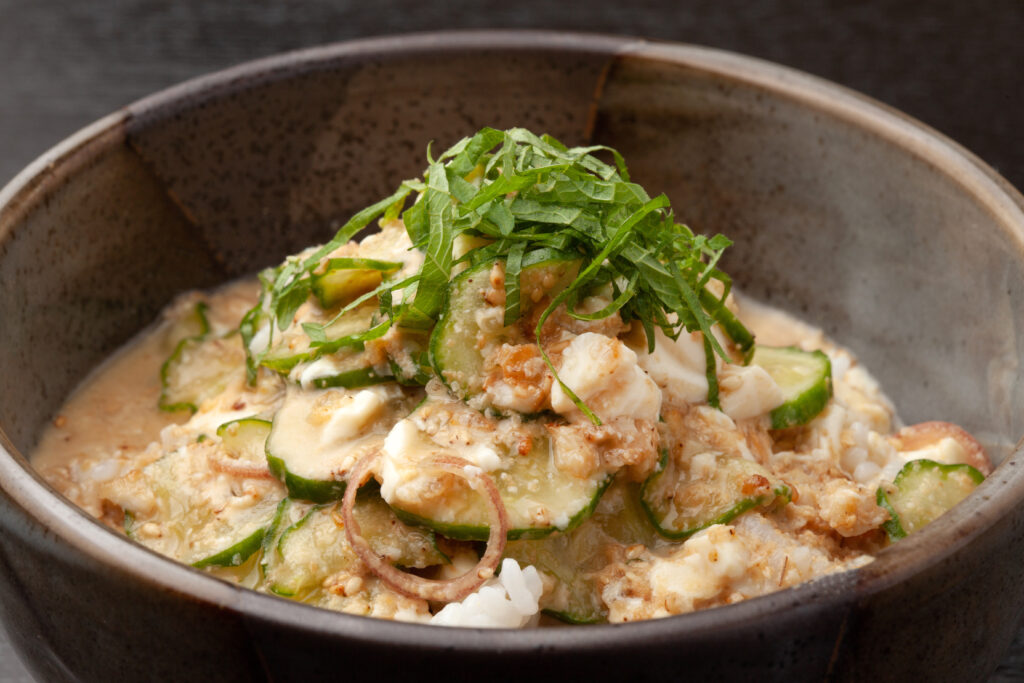
Hiyajiru — a chilled Japanese dish often enjoyed in summer — is gently topped with sliced cucumber and fresh shiso, with myoga adding a cool, fragrant accent.
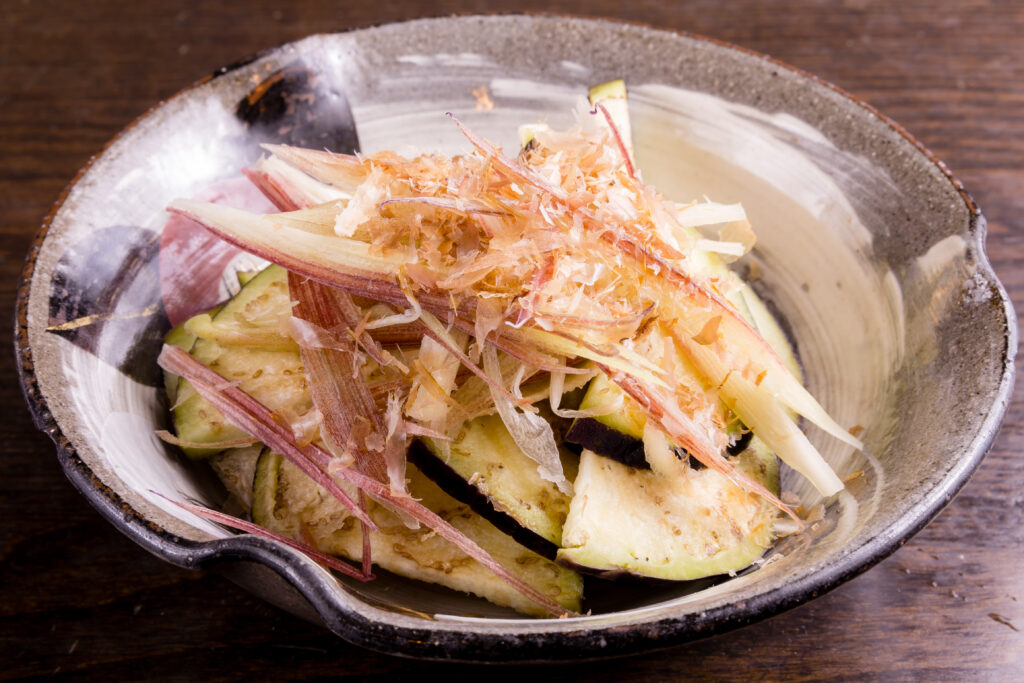
Thinly sliced myoga is also commonly paired with eggplant dishes, bringing brightness and a light refreshing flavor to simple seasonal meals.
🌿 Wasabi
Wasabi is closely connected to sushi and sashimi culture.
Its sharp freshness not only enhances flavor, but has also traditionally been appreciated for its antibacterial qualities.
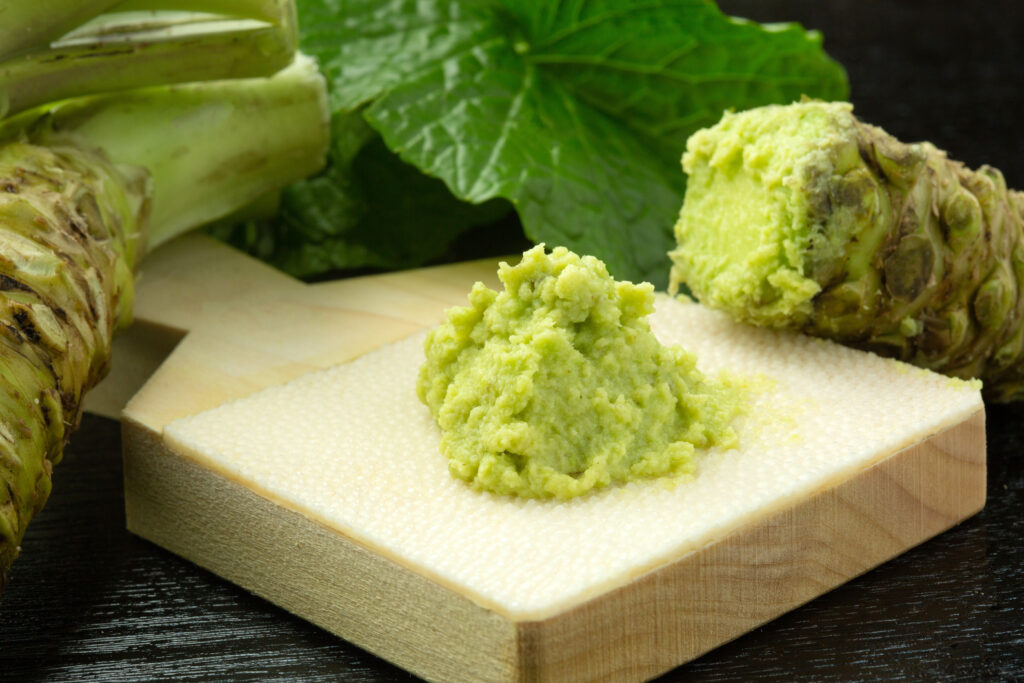
Fresh wasabi root and grated wasabi are known for their sharp aroma and clean, refreshing heat — a flavor that rises gently through the nose rather than lingering heavily on the tongue.
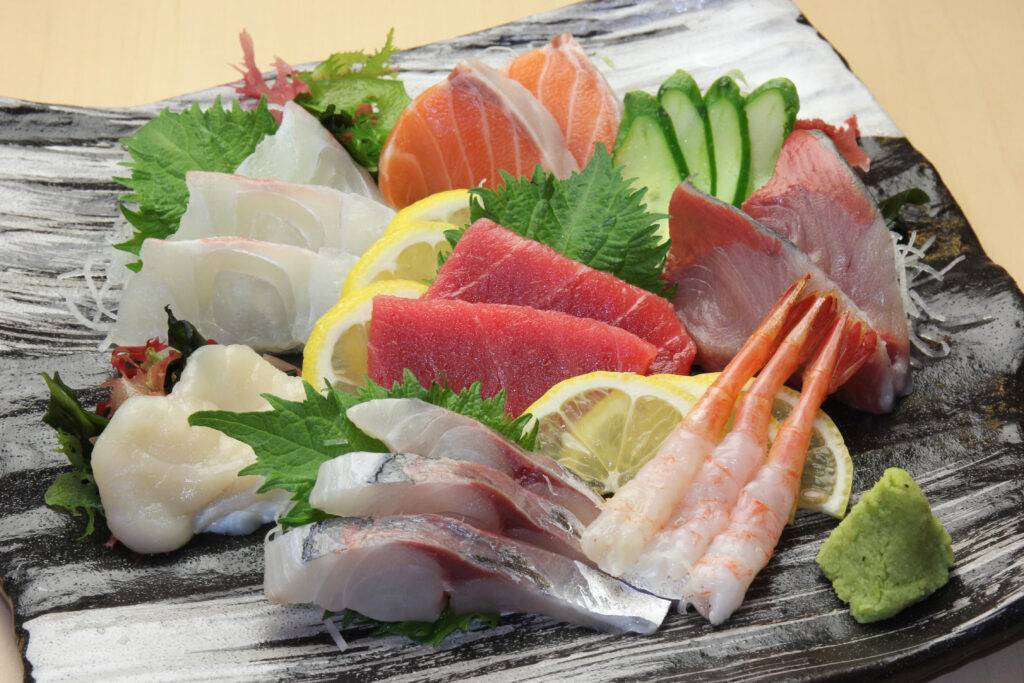
Wasabi is often served alongside sashimi and sushi, adding brightness and balance while enhancing the delicate flavor of fresh fish.
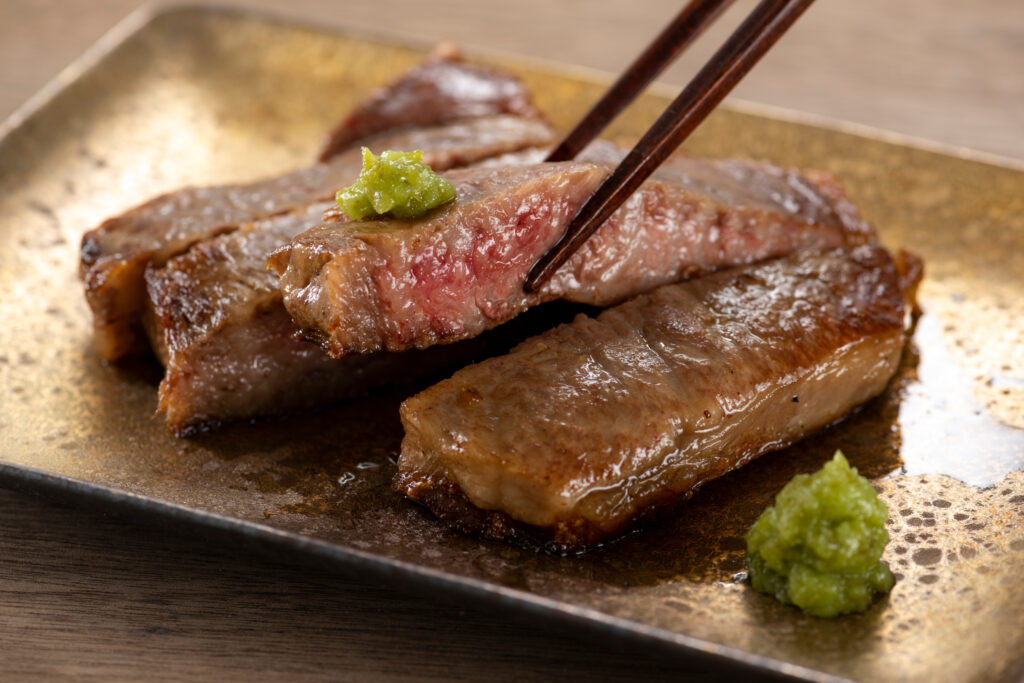
In modern Japanese cuisine, wasabi is also paired with grilled meat dishes, where its fresh sharpness helps cut through richness and brings a lighter feeling to each bite.
🌿 Yuzu
Yuzu adds a gentle citrus fragrance to soups, hot pots, and winter dishes.
Even a small amount can completely change the atmosphere of a meal.
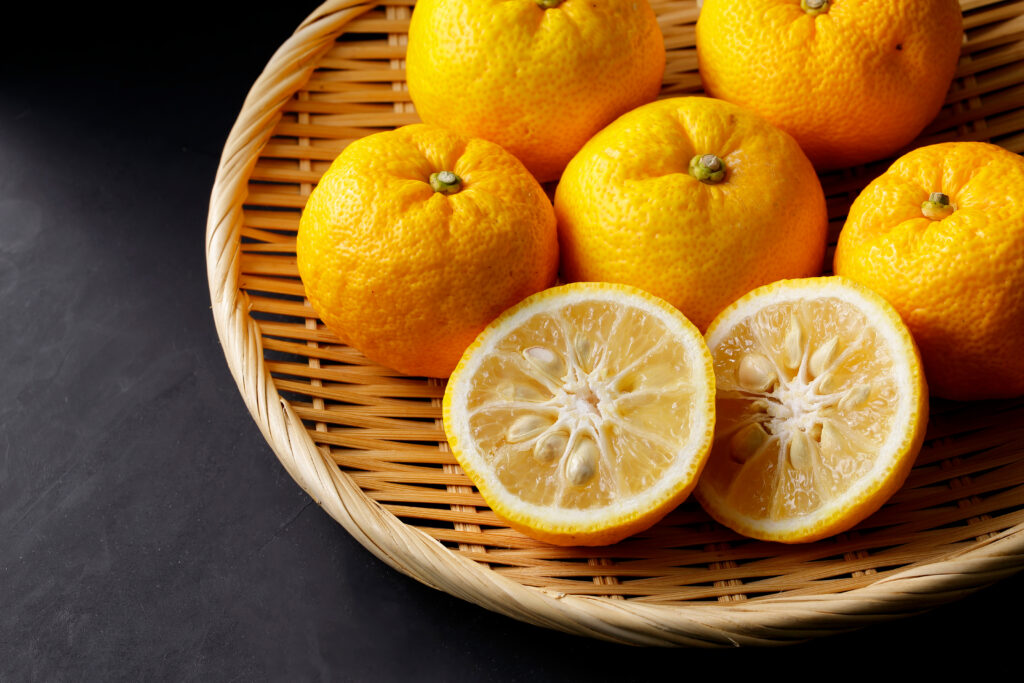
Yuzu is a fragrant Japanese citrus known for its bright aroma, gentle tartness, and refreshing seasonal feeling, especially during autumn and winter.
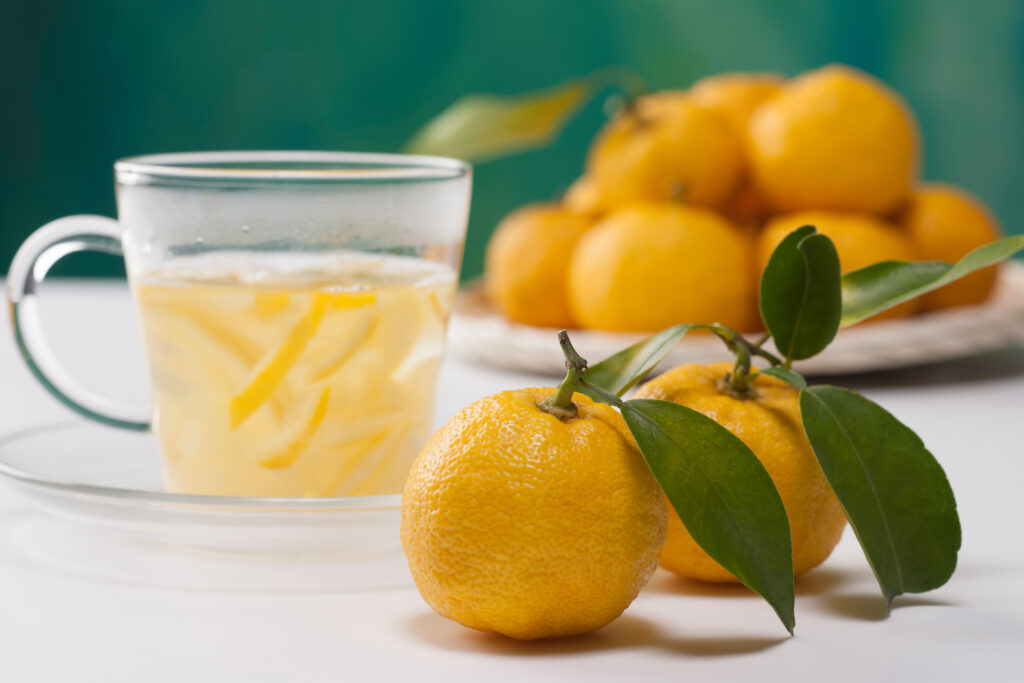
Thin slices of yuzu are often added to warm drinks and soups, bringing a soft citrus fragrance that feels both calming and refreshing.

Yuzu peel is also used as a finishing touch in Japanese cooking — such as simmered dishes, soups, and hot pot meals — where its delicate aroma quietly lifts the entire flavor of the dish.
🌿 Japanese Daikon Radish (Daikon Oroshi)
Grated Japanese daikon radish, called daikon oroshi, is often served beside grilled fish, tempura, or heavier dishes.
Its light freshness and gentle sharpness help balance rich flavors and create a cleaner aftertaste.
In Japanese cooking, it is appreciated not only for flavor, but also for the refreshing feeling it brings to the body.
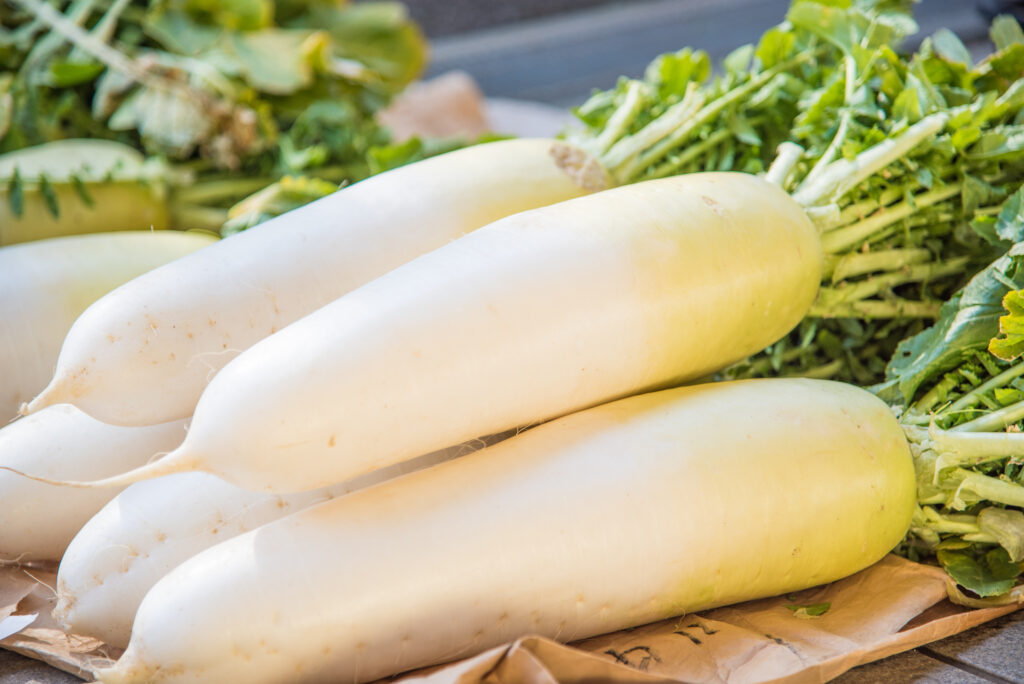
Japanese daikon radish is widely used both as an ingredient and as a refreshing yakumi in Japanese cooking, valued for its light flavor and crisp texture.
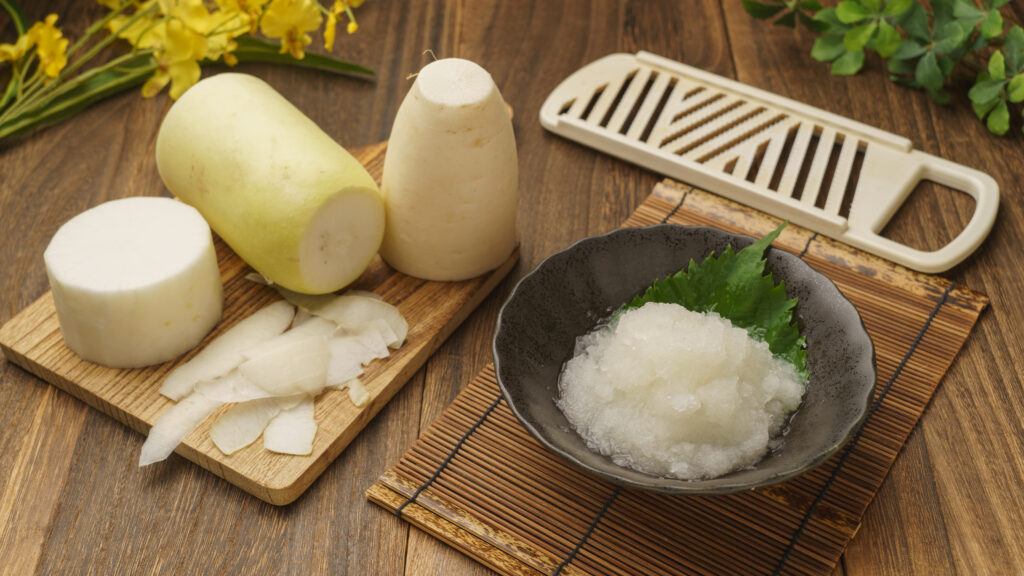
Grated daikon, called daikon oroshi, is often served with grilled fish, tempura, or agedashi tofu, adding freshness and a gentle sharpness that balances richer flavors.

In dishes like agedashi tofu, soft fried tofu is topped with freshly grated daikon and green onions, creating a simple combination that feels warm, light, and comforting.
🍜 Small Ingredients That Change a Meal
Yakumi are often added at the very end of cooking.
A bowl of noodles may look simple,
yet a little ginger, green onion, or myoga can completely change the feeling of the dish.
Cold tofu with grated ginger and green onion.
Fresh shiso beside sashimi.
Wasabi with sushi.
Yuzu floating gently over warm soup.
These small additions are not usually the main part of the meal,
yet they quietly shape the overall experience.
🌸 Seasonal Fragrance in Japanese Daily Life
Yakumi also reflect the changing seasons in Japan.
Refreshing myoga and shiso often appear during the hot summer months.
Ginger is especially appreciated during colder seasons for its gentle warmth.
Yuzu adds a fresh citrus fragrance in autumn and winter.
In this way, yakumi are connected not only to taste,
but also to atmosphere, comfort, and seasonal awareness.
🥬Kaha’s Note
One of the quiet beauties of Japanese food culture is the idea that even very small things can change the entire feeling of a meal.
Yakumi are rarely the center of attention.
Yet through fragrance, freshness, color, and subtle balance,
they gently support everyday nourishment.
In summer, I especially enjoy eating simple zaru soba with fresh shiso leaves and green onions picked from the garden.
Although they are not always considered traditional yakumi, herbs such as basil and parsley can also add fragrance and color to everyday meals.
Young sansho leaves, with their fresh and distinctive aroma, are also loved in Japanese cooking and bring a beautiful seasonal accent to many dishes.
From spring to early summer, the garden often becomes filled with small seasonal aromas and fresh green life.
Most of all, these scents and aromas can bring memories, comfort, joy, and a quiet connection to nature.
🌈 Explore more
💻Related reflections
Here are a few gentle reflections connected to yuzu and shiso from previous posts.
🍊 Yuzu — A Winter Blessing │ Fragrance, Ritual, and Quiet Joy
https://8rainbow.work/%f0%9f%97%bejapan-life%ef%bc%86spirit%ef%bc%8318%e2%94%82yuzu-a-winter-blessing%e2%94%82fragrance-ritual-and-quiet-joy/
🍃 Tiny Green Wisdom ③ │ Shiso
https://8rainbow.work/%f0%9f%8c%bf-tiny-garden-true-magic-3-tiny-green-wisdom%e2%91%a2%e2%94%82shiso/
🌿 Shiso Cough Syrup │ A Family Remedy
https://8rainbow.work/%f0%9f%8d%83creative-seeds-2tiny-garden-true-magic-%e2%94%82shiso-cough-syrup-a-family-remedy/
If you feel inspired to explore more reflections on Japanese life, culture, seasonal living, and gentle daily moments,
you are warmly welcome to continue here.


コメント